How a FinTech Company Restored Pipeline Stability & Cut CPL by 37%


Industry
Services
Year
Setting the Scene: The Challenge
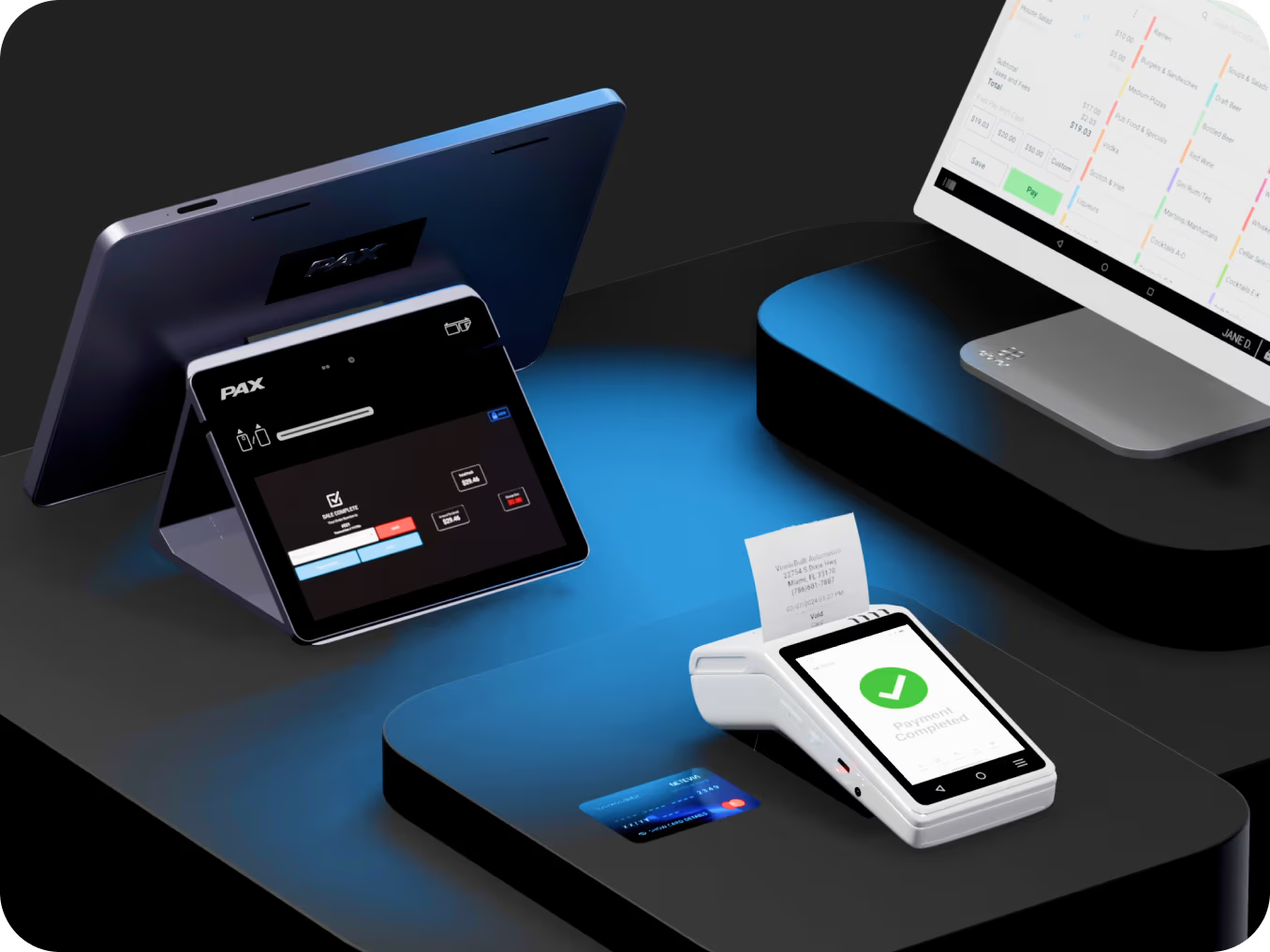
For a fast-growing FinTech company in payment processing, Meta was not just another marketing channel, it was the core of their lead generation strategy. The company had relied on Meta for consistent, high-quality leads that fed directly into the sales pipeline.
However, over time, things started to change. Despite keeping ad spend constant, the volume of leads began to drop, as well as the quality of those leads. The company quickly realized this wasn’t just a marketing hiccup.
As leads dropped and the pipeline shrank:
- Sales teams struggled to find enough qualified opportunities to meet their targets.
- The pressure on outbound sales teams grew as they were forced to work harder to make up the difference.
- The business was faced with unpredictable revenue, which affected the ability to plan for future growth.
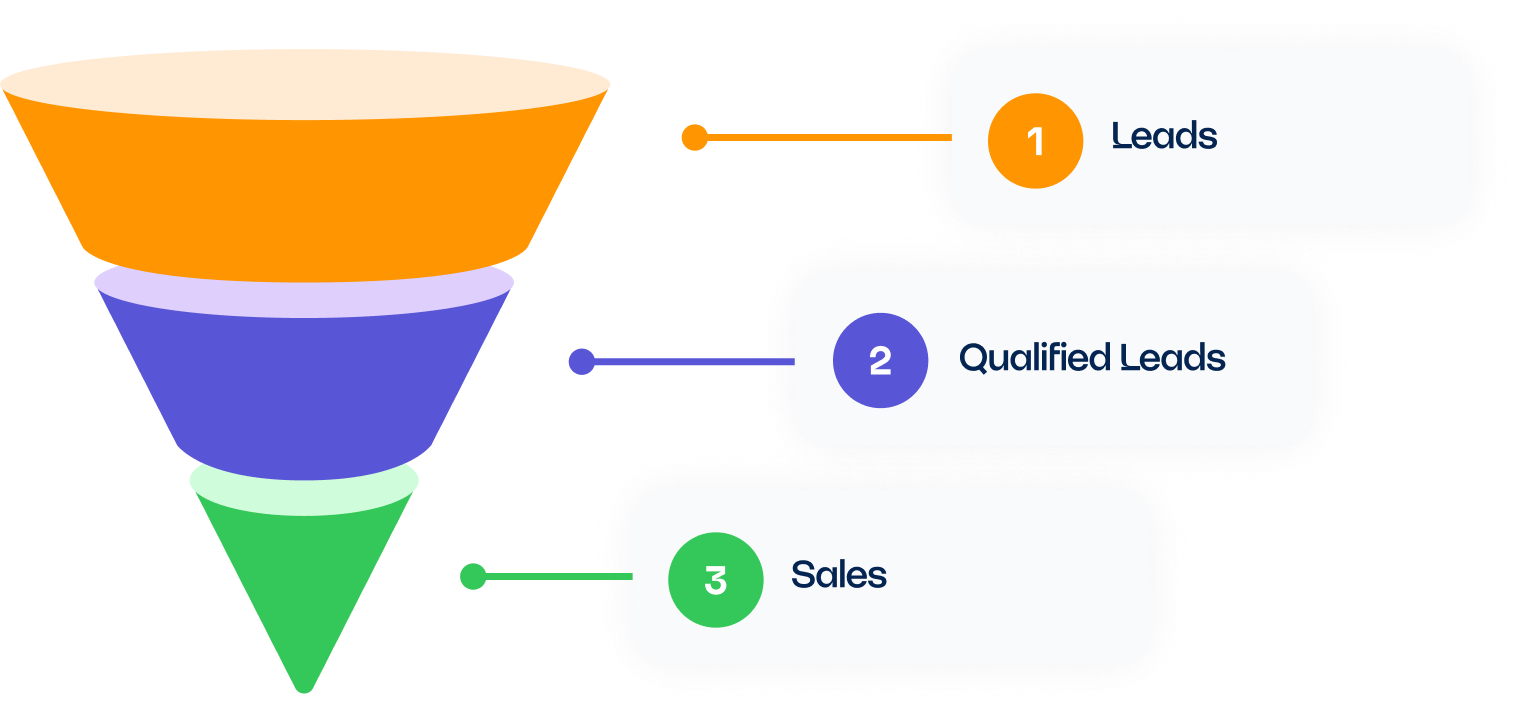
The core issue at hand wasn’t just that leads were dropping, it was that the pipeline system had started to show some leaks. If the leaks were not plugged, it would begin to impact the company’s revenue consistency.
Why It Happened: Unseen Pressures Affecting Growth
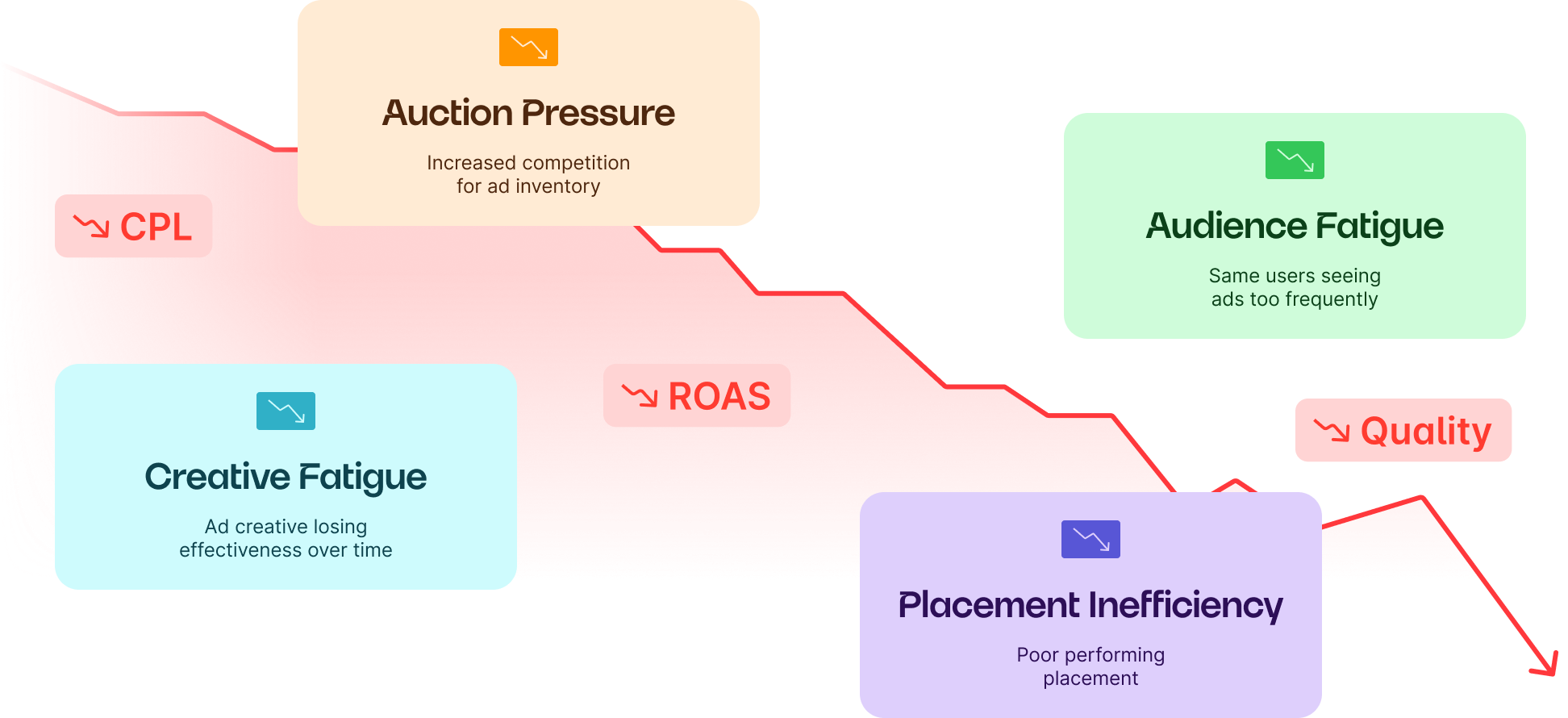
The company initially thought the issue was simply underperforming ads. But after a deeper dive, it became clear that the problem ran much deeper.
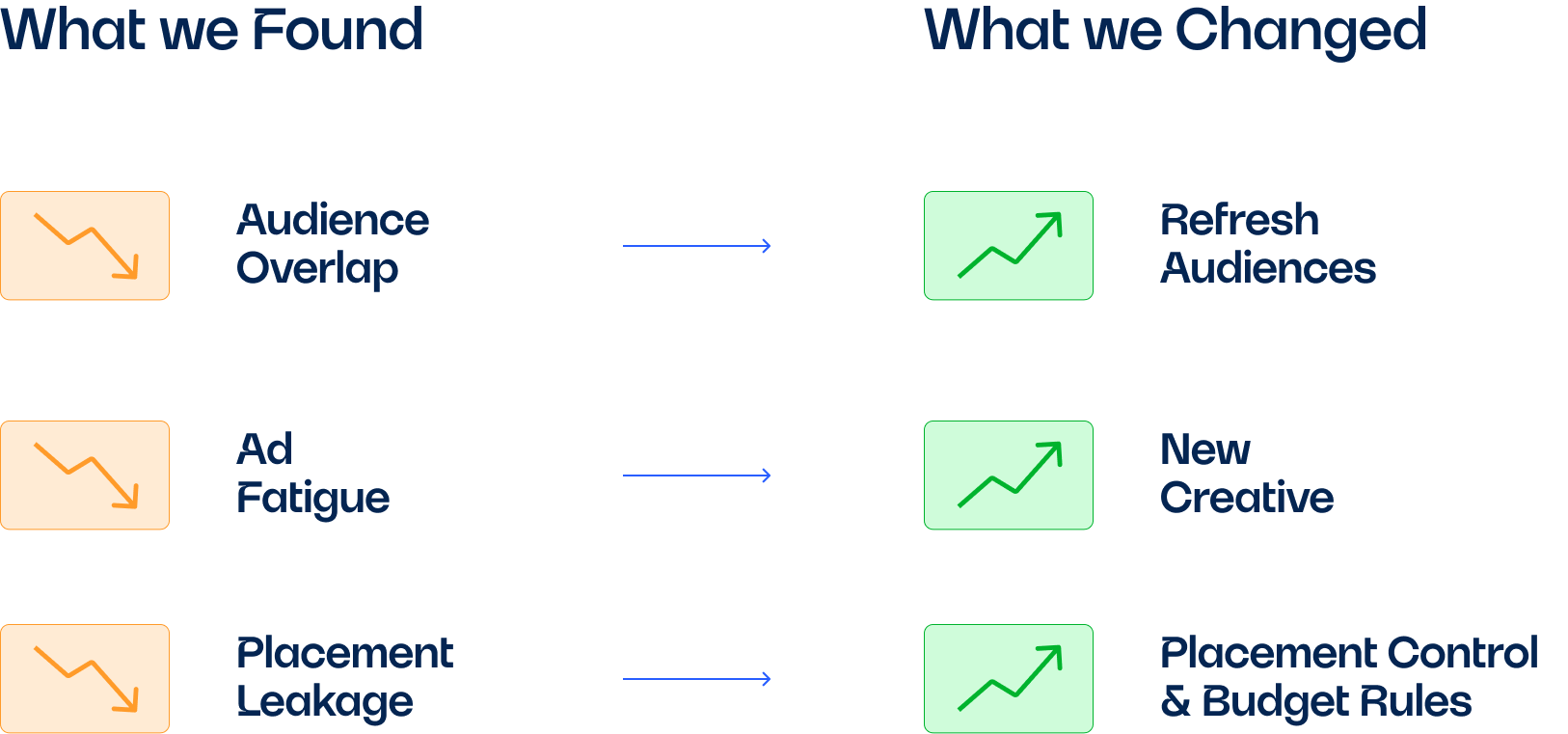
- Audience Saturation: The same audience was being targeted too frequently, leading to declining engagement.
- Creative Fatigue: The ads that had once worked well were no longer resonating as strongly with the target audience.
- Increased Competition: More companies were bidding for the same audience, driving up costs and reducing return on ad spend.
- Inefficient Placements: The marketing budget was being spent in areas that were not generating sufficient results.
The sales pipeline was becoming less predictable, and the company was at risk of missing its revenue goals.
The Solution: Rebuilding the System for Predictable Growth
Rather than applying quick fixes, T.A. Monroe decided to look at the problem as a systemic issue, not just a matter of improving the ads. The solution needed to address the underlying infrastructure that was driving the lead generation process.
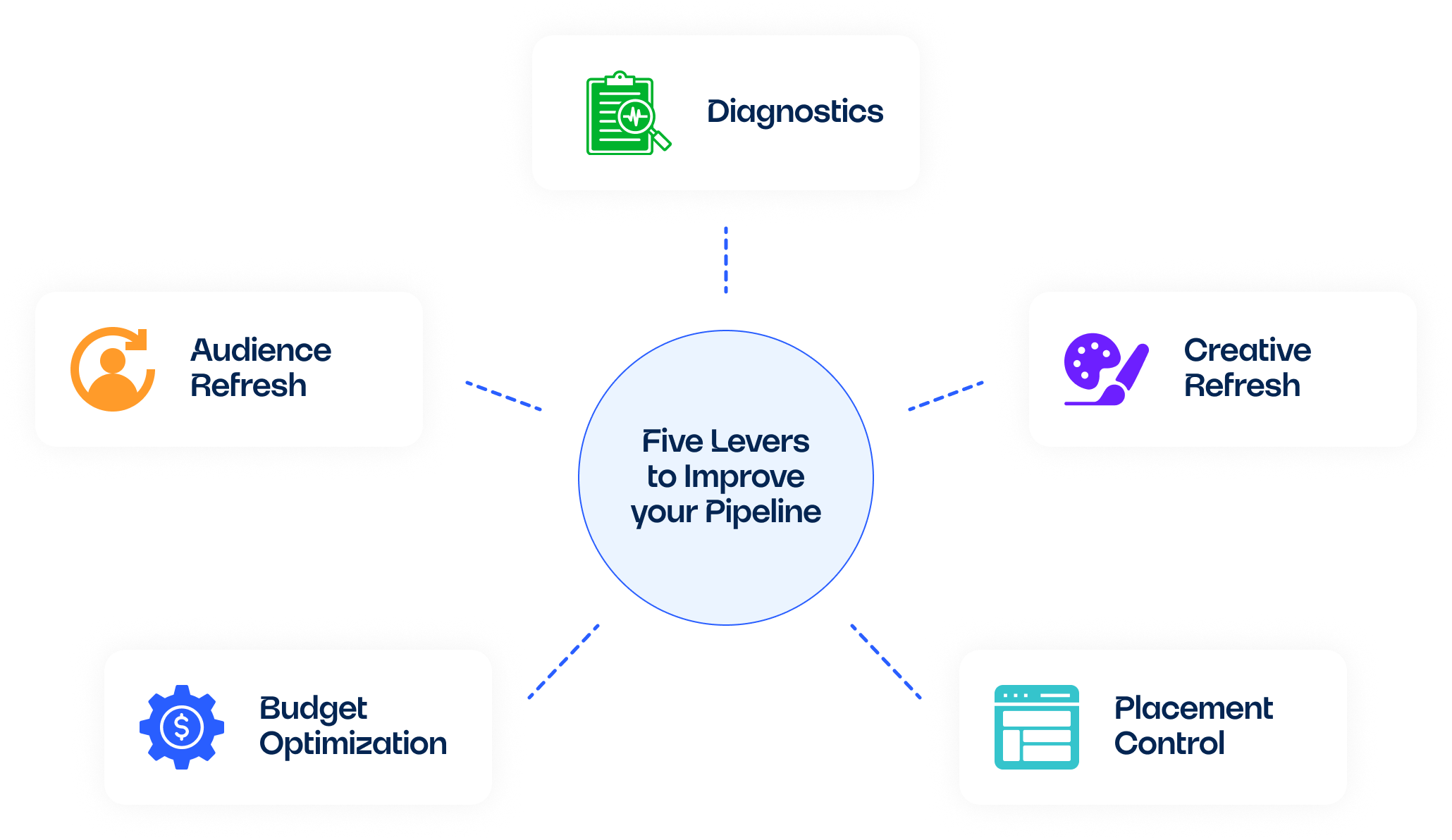
The team implemented a structured recovery approach based on five strategic levers that would rebuild the lead generation system and bring the business back on track:
- Comprehensive Campaign Diagnostics: A full review of the current campaigns to understand what was working, and what wasn’t.
- Audience Strategy Refresh: Reaching new, untapped audiences while reducing saturation and overlap.
- Creative and Messaging Optimization: Updating the creatives to better align with buyer intent and current customer needs.
- Placement Optimization: Shifting budget towards higher-performing ad placements to improve cost efficiency.
- Dynamic Budget Allocation: Continuously monitoring the effectiveness of campaigns and adjusting budgets to improve lead quality and maximize returns.
Each of these levers wasn’t just about improving ad performance. It was about creating a sustainable, predictable revenue generation system that they could rely on moving forward.
The Execution: Step-by-Step Recovery
1. Comprehensive Performance Diagnostics
The first step was to understand where the problem was coming from and how it was impacting our client’s bottom line. We didn’t just look at ad performance; we examined the lead generation process as a whole. This included:
- Evaluating where budget was being spent: Identifying which placements were delivering results and which were wasting money.
- Understanding audience engagement: Determining if we were targeting the right people and how well those people were responding to the campaigns.
- Analyzing competition: Seeing how other companies were impacting performance and whether costs were rising due to more competition.
The insights we gained laid the foundation for every change that followed, ensuring that every decision was strategic and aligned with the business goals.
2. Strategic Audience Diversification
With more competition entering the space, our original audience segments were becoming less effective, so we:
- Expanded the audience base: By identifying new, high-potential segments, we could reach fresh prospects while reducing saturation in existing segments.
- Reintroduced past high-performing audiences: We targeted audience segments that had previously been successful, bringing them back into the fold to reignite performance.
- Optimized targeting dynamically: We continuously tweaked our targeting strategy based on live performance data to ensure we were engaging with the right people.
The goal was never just to find new audiences for the sake of it. It was about restoring delivery efficiency and creating a more predictable flow of qualified leads.
3. Creative and Messaging Refresh
Next, we focused on ensuring our messaging and creative content were aligned with what the audience truly wanted to hear. We conducted a comprehensive audit of our creatives:
- Which formats were driving engagement?
- What messaging resonated with the target audience?
- How could we connect with them better at each stage of the buyer journey?
After understanding the gaps, we introduced refreshed creatives that would drive results:
- Customer-focused content that shared real-life success stories to build trust.
- Competitive comparisons that clearly demonstrated the advantages of our platform over alternatives.
- Video content tailored to the buyer’s journey, helping guide prospects from awareness to decision.
This creative refresh was about ensuring the messaging aligned with where prospects were in their decision-making process. This meant that the ads would drive better engagement and ultimately better conversions.
4. Placement Analysis and Optimization
We then took a strategic approach to placements, making sure every dollar of the marketing budget was being put to work:
- We analyzed the performance of each placement to ensure we weren’t wasting money on underperforming channels.
- Removed inefficient placements and focused on higher-performing environments.
- We adjusted strategies to ensure that budget was flowing to the areas that were delivering the best results for the business.
This step was all about optimizing the return on every dollar spent. This way we could ensure that they were investing in what would drive the best revenue outcomes.
5. Intelligent Budget Allocation
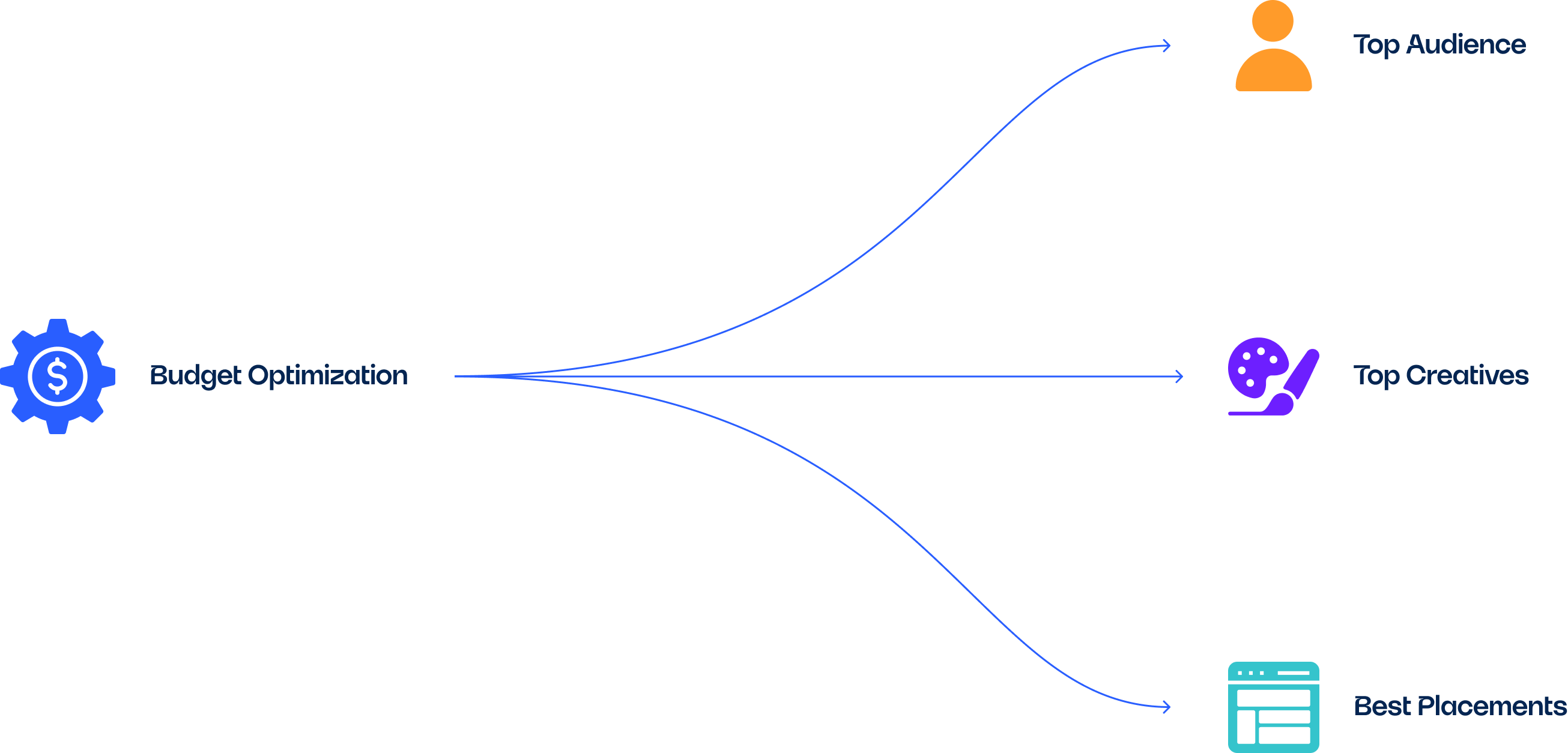
A major part of restoring growth and stability was ensuring we were managing the budget intelligently. Rather than allocating spend based on intuition, we:
- Monitored cost per lead daily and weekly to ensure that we were achieving optimal value.
- Reallocated budgets dynamically, increasing spend on campaigns and segments that were showing the best results.
- During the learning phases of campaigns, we made sure that the budget was distributed in a way that avoided disrupting progress.
This meant that we were constantly investing in the areas that would drive the most qualified leads and conversions, ensuring predictable business growth without wasting resources.
6. Dual Conversion Strategy + Optimized User Experience
We recognized that not every lead would convert the same way. So, we implemented two distinct conversion paths to maximize lead capture and improve the conversion process:
- Meta Lead Forms for prospects ready to convert with minimal friction. This captured high-volume, low-funnel leads who were ready to take action.
- Website conversions for prospects who needed more information and context before making a decision, ensuring we weren’t losing higher-value opportunities that required more engagement.
By offering two tailored conversion paths, we were able to increase the number of conversions without losing valuable opportunities that needed more time to make decisions.
The Results: Outcomes That Matter
By the end of the recovery process, the results were clear:
- CPL dropped by 37%, meaning the company was getting more qualified leads for less cost.
- Lead volume increased, and more importantly, lead quality improved, allowing sales teams to focus on more valuable opportunities.
- CTR (Click-Through Rate) rose by 42%, showing that the refreshed creative resonated better with the audience, leading to higher engagement.
- Lead-to-pipeline conversion rates stabilized, which restored confidence in sales forecasting.
For the business, these improvements meant:
- More consistent sales conversations, with a steady flow of qualified leads.
- Reduced reliance on outbound marketing to fill the pipeline, freeing up resources to focus on nurturing high-quality opportunities.
Stronger forecasting, with more predictable and reliable lead flow, enabling the them to plan with greater confidence.
-37%
CPL
+30%
Qualified Lead Volume
+47%
Total Lead Volume
+42%
CTR
+14%
CVR
The Bottom Line
This case study highlights that when lead generation begins to falter, advertisers must think beyond just adjusting campaigns.
It’s about rebuilding the systems that support consistent lead flow and revenue generation.
For advertisers facing similar challenges, the takeaways are:
- Don’t just focus on the ads, fix the system. Address the root causes of performance decline, from audience targeting to budget allocation.
- Ensure that creative and messaging resonate with your audience’s evolving needs.
- Reallocate budgets based on performance: Make sure that your spend is directed where it will generate the highest return.
By rebuilding the systems behind the pipeline, companies can ensure they remain on a path to sustainable, predictable growth.

Predictable Lead flow
Better engagement
Stable scaling
Conclusion: A Business-First Approach to Marketing Recovery
When a key marketing channel like Meta starts to underperform, it can be tempting to blame the ad campaigns themselves. However, the real solution lies in addressing the entire lead generation system that supports overall growth.
By focusing on efficiency, targeting, creative, and budget allocation, companies can restore predictability and confidence in their sales pipelines.
As this FinTech company showed, when you fix the system rather than just the ads, you build a foundation for long-term revenue success.