The Ultimate B2B SaaS Demand Generation Playbook for 2026: Building Sustainable Growth Through Brand, Product, and Community

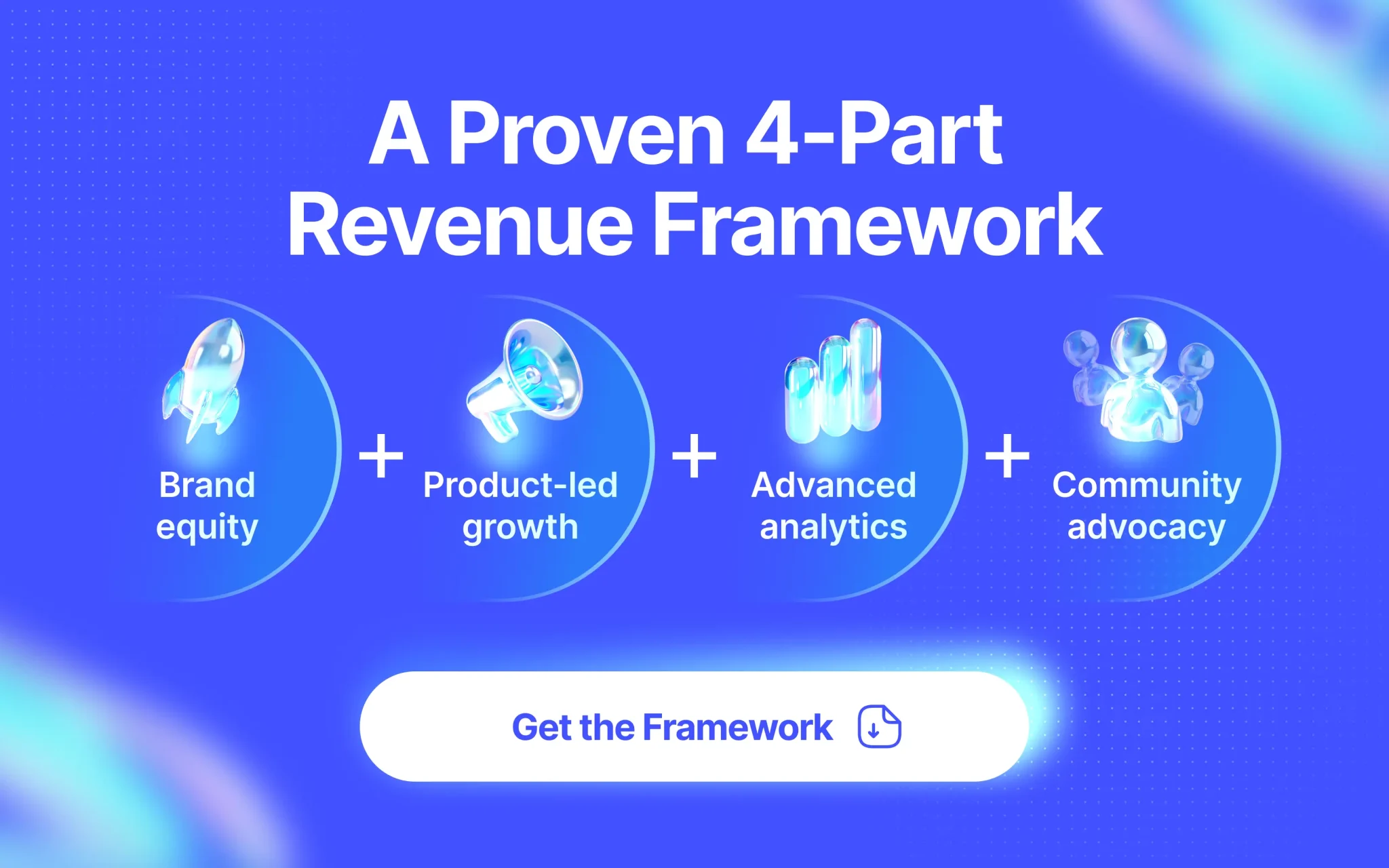
In the fiercely competitive world of B2B SaaS, driving consistent demand in 2026 requires more than just paid ads and email blasts. The era of traditional, one-dimensional marketing is over. Instead, achieving sustainable growth demands a holistic strategy that integrates Brand Building, Product-Led Growth, and Community Engagement.
Brand building is about more than just a logo or tagline, it's about creating a powerful story that deeply resonates with your target audience. Establishing your company as an industry thought leader fosters trust and brand loyalty. Driving awareness through strategic content and impactful marketing campaigns is key to positioning your brand at the forefront of the industry.
Product-Led Growth (PLG) is a transformative approach where your product itself becomes the primary driver of customer acquisition and retention. By offering a "try-before-you-buy" experience, you enhance user engagement, improve conversion rates, and lower acquisition costs.
An engaged community is a powerful asset for organic growth. By nurturing a loyal customer community, you generate authentic advocacy and word-of-mouth demand.
This comprehensive article will walk you through the practical steps to blend these three pillars into a cohesive demand generation strategy. You'll gain actionable insights and access to practical tools designed to build a robust and sustainable demand engine that will thrive in 2026 and beyond.
1. Understanding the Modern B2B SaaS Landscape
The Evolution of Buyer Behavior
The B2B buying process has evolved dramatically. Today's B2B buyers are highly informed, often completing significant research before engaging with sales teams. They actively participate in online communities, seek peer recommendations, and expect immediate access to products through free trials and demos. Alongside this, they demand high standards for data privacy and ethical AI usage.
This transformation is fueled by the ease of access to information and a growing desire for personalized experiences, largely enabled by AI and machine learning technologies in SaaS platforms. AI is reshaping the B2B SaaS landscape, enhancing both product capabilities and user experiences.
Modern buyers leverage online forums, reviews, and social media to guide their purchasing decisions. This trend highlights the critical need for strong brand identities and community engagement to build trust and credibility. The rise of decentralized purchasing, where individual departments or employees independently choose software, further stresses the importance of accessible and user-friendly products.
The Challenge of Market Saturation
Many B2B SaaS markets face intense saturation, where feature parity is the norm. With multiple vendors offering similar functionalities, standing out through product features alone is increasingly challenging. This scenario often leads to price wars, unless companies differentiate through brand strength, user experience, and community engagement.
The integration of AI and machine learning into SaaS solutions is becoming a key differentiator. These technologies allow companies to offer more personalized and intelligent services, setting them apart in a crowded marketplace.
To avoid commoditization, B2B SaaS companies must focus on:
- Delivering exceptional user experiences:
Ensure every interaction adds value and reduces friction. - Leveraging AI to enhance product capabilities:
Provide smarter, more adaptable solutions. - Building strong brand narratives:
Develop stories that resonate with the target audience and foster loyalty.
Additionally, adopting vertical SaaS solutions, designed for specific industries, provides a strategic avenue for differentiation. These tailored solutions address unique sector needs, offering value beyond generic platforms.
2. Building a Foundation for Sustainable Growth
The Power of Brand in B2B SaaS
Your brand is more than just a logo or color scheme, it's the holistic perception of who you are and what you stand for. In 2026, strong brands will be a pivotal asset in achieving business success. A well-established brand not only reduces customer acquisition costs through recognition and trust but also supports premium pricing, enhances retention rates, and drives organic growth through word-of-mouth and community advocacy.
A comprehensive brand strategy is vital for B2B SaaS companies navigating a crowded market. A deep understanding of your target audience's needs and developing effective communication strategies are critical for attracting and converting customers. Additionally, strong brands can justify premium pricing by establishing a reputation for quality and reliability, improving revenue and profitability.
Brands that prioritize community engagement also gain from organic growth. Community-led growth will become even more significant in 2026, with brands leveraging ambassadors and influencers to improve top-of-funnel engagement.
Product-Led Growth as a Demand Driver
Product-led growth (PLG) isn't just a buzzword – it's a transformative strategy redefining how B2B software is sold and adopted. Key elements of PLG include:
- Frictionless Free Trials and Self-Serve Onboarding:
PLG advocates for low-barrier access to products, allowing users to experience value without complex sales processes. Buyers increasingly prefer self-service options, offering immediate access and autonomous onboarding. - Usage-Based Expansion Opportunities:
By analyzing user engagement and product usage, B2B SaaS companies can identify upsell and cross-sell opportunities tailored to actual customer needs. This method not only strengthens customer relationships but also increases revenue per user. - Product Analytics That Inform Marketing and Sales Actions:
Data-driven insights from product usage empower refined marketing strategies and sales tactics. This alignment with customer behavior fosters effective demand generation and customer retention.
By integrating these elements, B2B SaaS companies can create a robust foundation for sustainable growth, leveraging both brand strength and product-led strategies to drive success in 2026 and beyond.
3. Creating a Full-Funnel Strategy
Moving Beyond Linear Funnels
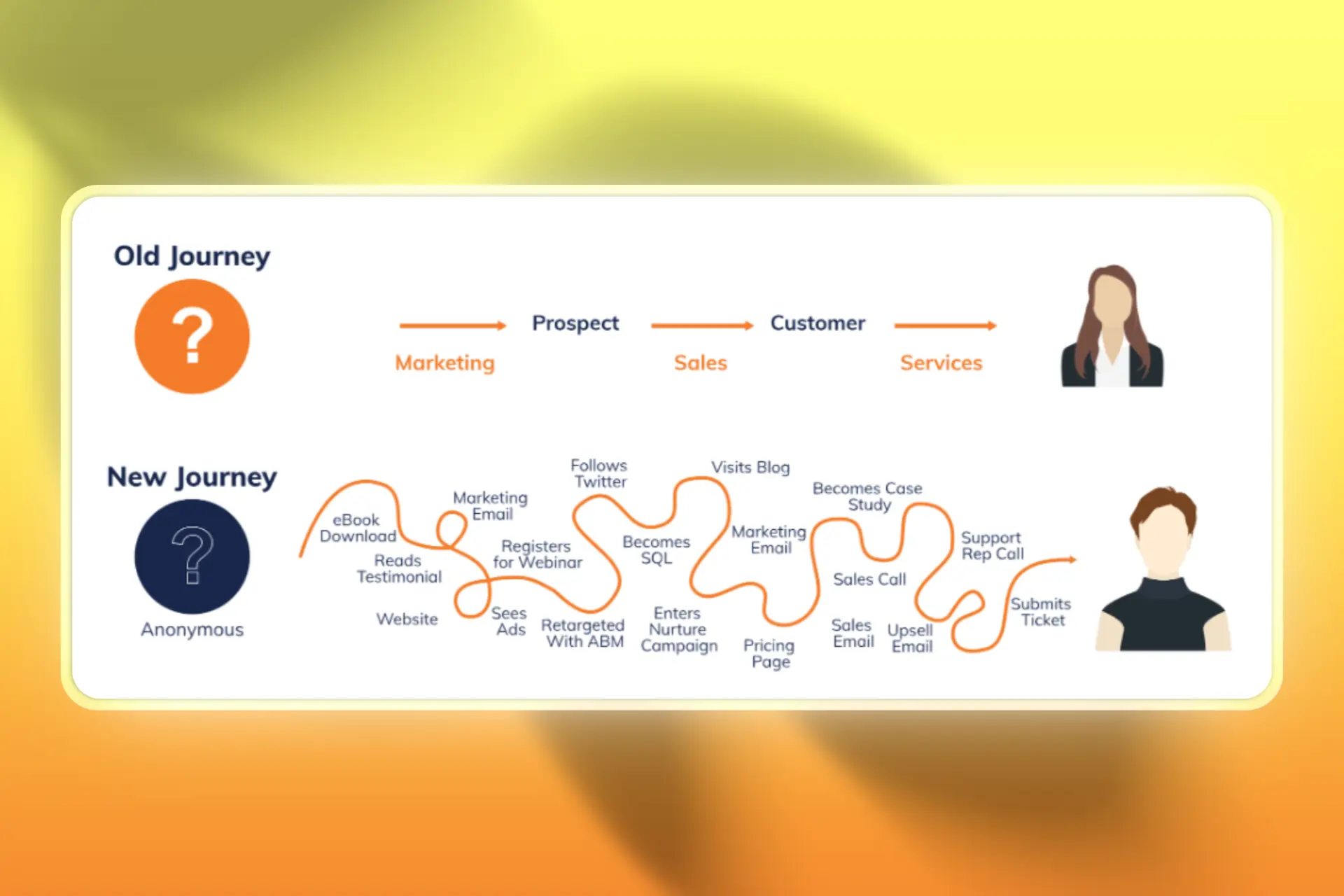
Modern B2B buyers no longer follow a linear path from awareness to purchase. Instead, their buyer journey is non-linear and often unpredictable. Buyers might discover your brand through peer recommendations, try your product before engaging with marketing materials, or join your community long before a purchase decision is made. This dynamic journey is shaped by the abundance of online information and a strong preference for personalized experiences.
75% of B2B buyers prefer a rep-free sales experience, relying heavily on digital channels for research and decision-making. The complexity is amplified by the involvement of multiple stakeholders, with each phase from awareness to decision involving information gathering and evaluation across various touchpoints. This complexity demands a flexible, multi-channel approach to customer engagement.
Orchestrating Multi-Channel Engagement
To thrive in this dynamic environment, B2B companies must strategically coordinate multiple channels to deliver a seamless customer experience. Key channels include:
- Paid Media for Targeted Reach and Brand Awareness:
Paid media platforms, like social media and search ads, are vital for targeting specific audiences and building brand visibility. As Shopify notes, B2B organizations are increasingly using social media to connect with buyers and enhance their brand presence. - Content Marketing for Thought Leadership and SEO:
Content marketing plays a vital role in establishing thought leadership and improving SEO. By creating valuable content, such as whitepapers and webinars, companies can attract potential buyers and position themselves as industry experts. - Community Platforms for Peer Learning and Advocacy:
Community platforms facilitate peer learning and brand advocacy. By actively engaging with communities, B2B companies can build trust and drive word-of-mouth recommendations, a powerful influence in purchasing decisions. Modern B2B buyers seek tailored solutions and personalized experiences, which community engagement can effectively deliver. - Product Experiences That Drive Adoption and Expansion:
Offering frictionless product experiences, such as free trials and self-service onboarding, is critical for driving adoption and expansion. Buyers prefer self-service options and immediate access to products, which can significantly enhance the user experience and encourage long-term engagement.
By integrating these channels effectively, B2B companies can create a comprehensive full-funnel strategy that meets the needs of modern buyers and supports sustainable growth.
4. Leveraging Data and Analytics
Beyond Basic Metrics
To excel in modern demand generation, B2B companies must move beyond basic metrics and adopt sophisticated measurement tools, including:
- Multi-Touch Attribution:
In a multi-channel landscape, understanding complex buyer journeys is essential. Multi-touch attribution assigns credit to various touchpoints, offering a holistic view of conversion paths. This method helps identify crucial touchpoints and optimize strategies using data-driven insights. - Product Usage Data:
Analyzing product usage data reveals expansion opportunities by showing how customers interact with products. This insightful data informs marketing and sales strategies, ensuring alignment with customer needs and enhancing customer satisfaction. - Community Engagement Metrics:
Tracking engagement metrics within brand communities helps assess brand health and loyalty. Measuring engagement levels allows companies to evaluate their community strategies and make data-informed adjustments as needed. - Pipeline Velocity:
Monitoring pipeline velocity provides insights into conversion rate optimization by identifying sales process bottlenecks. This critical metric shows how quickly leads progress through the sales funnel, enabling marketers to refine their approaches for greater efficiency.
The Role of AI and Automation
AI technologies offer significant advantages for demand generation, including:
- Predictive Lead Scoring and Prioritization:
AI algorithms analyze lead behaviors, predicting which leads are most likely to convert. This enables sales teams to focus their efforts on high-potential prospects, enhancing conversion efficiency. - Personalized Content Recommendations:
AI-driven systems analyze customer data to deliver personalized content, boosting engagement and content relevance. This customized approach strengthens relationships with potential customers and improves brand loyalty. - Automated Campaign Optimization:
AI tools can automate campaign optimization by analyzing performance data in real-time and adjusting strategies accordingly. This automation ensures marketers react swiftly to market changes, improving campaign ROI. - Ethical Data Collection and Usage:
AI also supports ethical data practices, helping companies manage data privacy and regulatory compliance. By prioritizing ethical standards, businesses can build trust and maintain strong customer relationships.
By adopting advanced analytics and AI technologies, B2B SaaS companies can transform their demand generation strategies, make data-driven decisions, and drive efficient growth in a competitive marketplace.
5. Building and Scaling Your Team
Essential Roles for Modern Demand Generation
To create a high-performing demand generation team, it is crucial to assemble diverse roles that collaborate effectively to drive awareness, engagement, and conversions. Key roles include:
- Demand Generation Director for Strategy and Coordination:
The Demand Generation Director oversees demand generation initiatives through a blend of marketing and sales tactics. This role involves strategizing automated nurture campaigns, SEO, content marketing, and digital PR, ensuring consistent messaging across channels. As noted by Salesloft, this leader also analyzes sales data and reports insights to senior leadership. - Content Strategist for Brand Storytelling and Thought Leadership:
A Content Strategist crafts compelling narratives that position the brand as an industry thought leader. This role is pivotal in engaging audiences and boosting brand awareness. According to Cognism, content marketers play an integral role in enhancing audience engagement and supporting lead generation. - Community Manager for User Engagement and Advocacy:
The Community Manager is responsible for building a loyal customer base by managing community platforms. They drive user engagement and advocacy, contributing to organic growth through word-of-mouth recommendations. - Marketing Operations for Technology and Analytics:
Marketing Operations specialists handle the technical infrastructure of demand generation efforts, including automation tools and campaign performance analytics. As MarketerHire emphasizes, this role ensures marketing efforts are optimized, measurable, and aligned with business objectives. - Creative Director for Brand Consistency and Compelling Assets:
The Creative Director maintains brand consistency across all marketing materials and develops visual assets that resonate with the target audience, enhancing brand recognition and appeal.
Structuring for Success
When structuring your demand generation team, consider these organizational models:
- Centralized Teams for Clear Accountability:
A centralized team structure offers clear accountability and strategic alignment, which is ideal for maintaining a cohesive brand message and ensuring unified marketing efforts. - Pod-Based Structures for Agile Execution:
Pod-based teams allow for agility and quick adaptation to market changes, making this structure suitable for fast-paced environments where flexibility is crucial. - Hybrid Approaches Combining In-House and Agency Resources:
Hybrid models blend internal team strengths with external agency expertise, offering specialized skills and flexibility without the commitment of full-time hires.
6. Building Vibrant Community and Advocacy Programs
The Power of Community-Led Growth
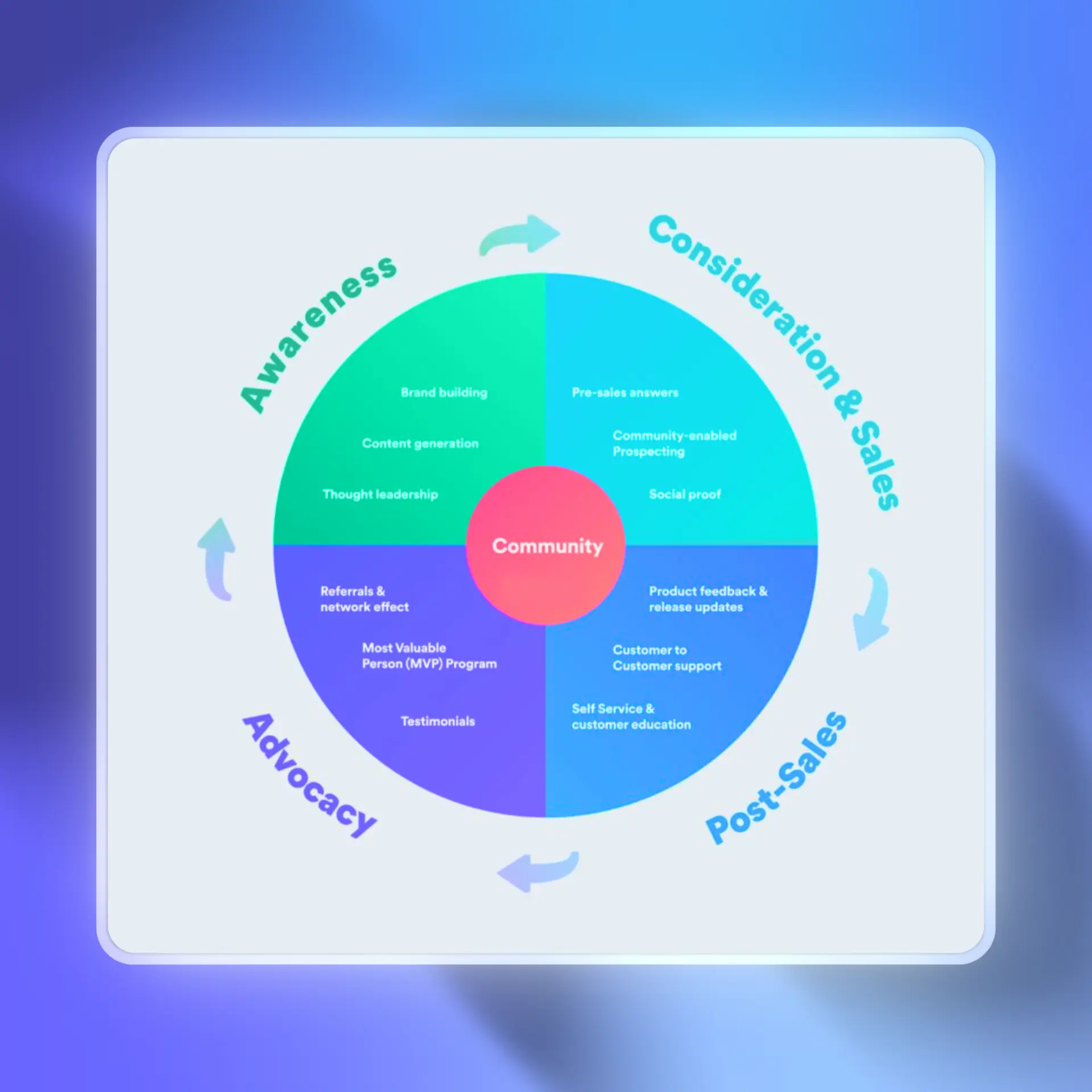
Communities have become essential for B2B SaaS success, offering numerous benefits that drive growth and customer loyalty. These benefits include:
- Authentic Peer Validation and Social Proof:
Communities provide a platform for users to share their experiences and validate the value of your product through authentic testimonials and user-generated content. This social proof is crucial for building trust and credibility with potential customers. Communities foster engagement and loyalty among customers, which can lead to increased revenue and growth. - User-Generated Content and Testimonials:
Encouraging users to share experiences within the community creates a valuable repository of social proof. Word-of-mouth marketing transforms engaged customers into brand advocates, influencing new prospects. - Reduced Support Costs Through Peer Assistance:
Communities often serve as self-help networks, where users assist each other, reducing the demand for direct support. This not only lowers support costs but also enhances the user experience by offering immediate solutions. Communities act as organic customer success channels, supporting users beyond basic troubleshooting. - Early Product Feedback and Feature Requests:
Engaging community members helps gather feedback on product features and identify improvement areas. Communities are innovation hubs, where users contribute ideas and suggest new use cases.
Implementing Effective Community Programs
To build a vibrant community, start with these foundational elements:
- Choose the Right Platform:
Select a community platform that aligns with user needs, such as Slack, Discord, or proprietary forums. Slack and Circle.so are popular choices for SaaS communities. - Seed Initial Discussions with Power Users and Advocates:
Engage active users and advocates to initiate discussions and set a positive tone for community engagement. Pre-seed discussions with stimulating questions to spark interest. - Create Regular Engagement Opportunities:
Host events like AMAs (Ask Me Anything sessions), live webinars, or meetups to maintain interest and encourage deeper connections. Creative engagement strategies are key to capturing audience attention. - Measure and Optimize Community Health Metrics:
Track metrics such as active member counts, engagement rates, and customer satisfaction to assess community health. Consistent measurement helps refine strategies and ensure community vitality.
7. Ethical Marketing and Data Privacy
Building Trust Through Transparency
In 2026, ethical marketing practices are essential for building trust with consumers. Establishing credibility and maintaining transparency in data practices can differentiate your brand in a competitive market. Key elements include:
- Clear Communication About Data Collection and Usage:
Transparency is crucial when informing users about how their data is collected and used. Brands must clearly communicate data practices to ensure compliance with regulations like GDPR and CCPA. This approach builds trust and demonstrates respect for consumer privacy rights. - Responsible AI Implementation with Human Oversight:
AI in marketing should be balanced with human oversight to maintain ethical decision-making and avoid biases. Responsible AI integration is crucial for upholding ethical standards in modern marketing strategies. - Respect for User Privacy Preferences:
Brands must honor users' privacy preferences by offering choices on data sharing and usage. This includes allowing opt-outs and customizable data usage settings. Respecting consumer privacy is a core principle of ethical marketing. - Alignment Between Brand Values and Actions:
Authenticity is key to resonating with ethical consumers. Brands must align marketing actions with stated values to maintain credibility. Demonstrating integrity and accountability helps build lasting consumer relationships.
Zero-Party Data Strategy
Zero-party data refers to information that users voluntarily share with brands. Implementing a zero-party data strategy involves:
- Personalization Options During Onboarding:
Provide personalization opportunities during onboarding to encourage users to share preferences, such as topics of interest or preferred communication channels. - Progressive Profiling Through Engagement:
Utilize progressive profiling to collect detailed user information gradually, ensuring users remain in control of their data sharing choices. - Community Participation and Feedback:
Engage users through community platforms to foster belonging and gain insights into user needs and preferences. - Direct Dialogue About Needs and Challenges:
Maintain open communication with users to understand their challenges, enabling tailored marketing efforts that respect privacy preferences.
By adopting these strategies, brands can build trust with audiences and uphold ethical marketing standards while prioritizing transparency and user privacy.
8. Execution and Implementation
90-Day Quick Start Plan
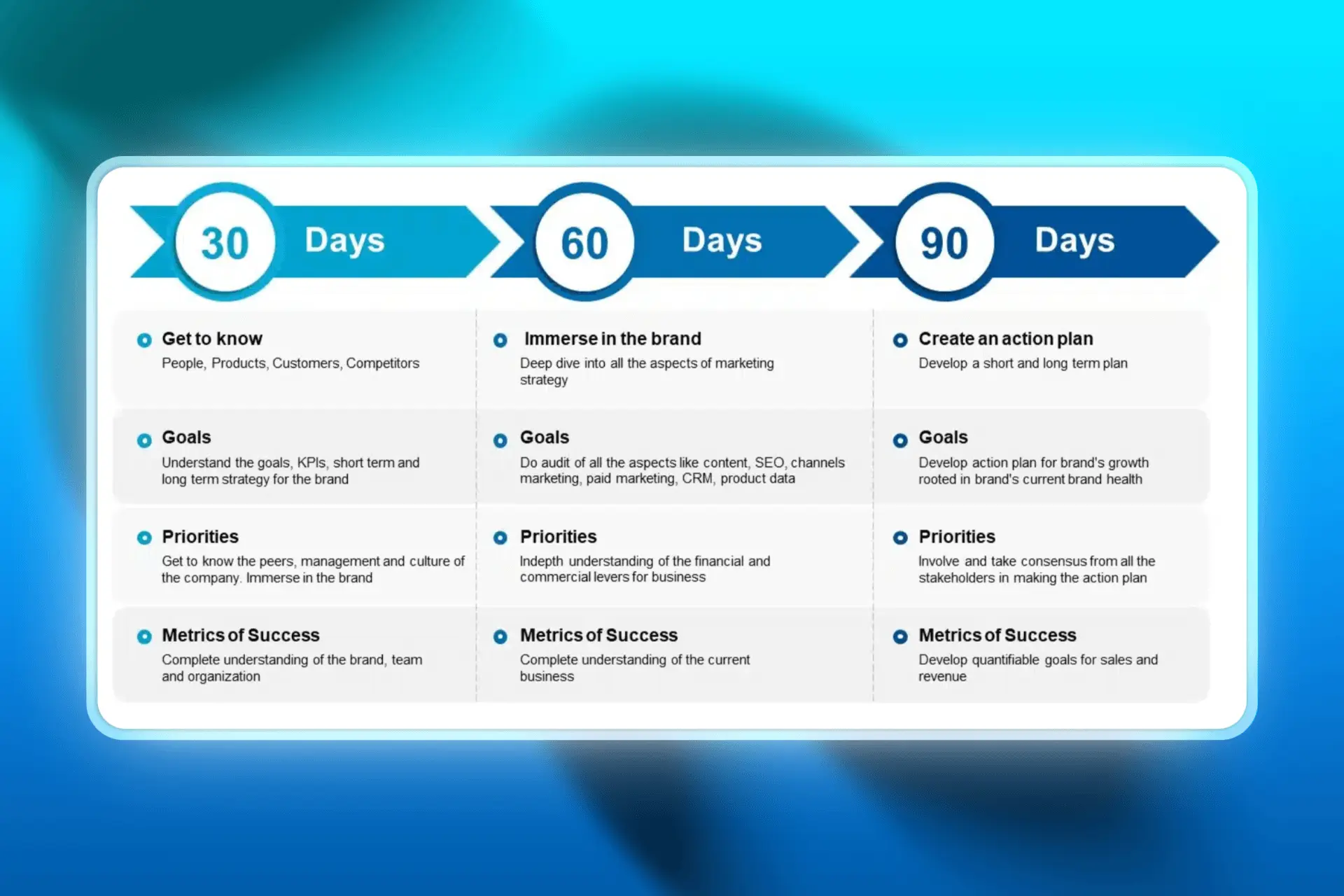
A structured approach is essential for implementing a successful demand generation strategy. Here's a 90-day roadmap to kickstart your efforts:
Month 1: Foundation
- Audit Current Brand Presence and Messaging:
Conduct a comprehensive audit of brand assets, including social media profiles, website content, and messaging consistency. Understanding your brand's current state is vital for setting effective goals. - Assess Technology Stack and Data Capabilities:
Evaluate the technology stack to ensure alignment with marketing objectives. This includes data analytics tools, marketing automation software, and CRM systems. Equip teams with the right tools to manage and optimize marketing activities. - Define Key Performance Indicators (KPIs):
Establish clear KPIs such as website traffic, lead generation, conversion rates, and customer acquisition costs. Measurable goals are critical for tracking progress and adjusting strategies effectively.
Month 2: Implementation
- Launch or Refresh Community Platform:
Create or revamp a community platform to boost engagement and advocacy. Options include Slack channels, Discord servers, or proprietary forums. Focus on manageable tasks to maintain momentum during project execution. - Implement Multi-Touch Attribution:
Set up multi-touch attribution models to understand the influence of marketing touchpoints on conversion rates. Attribution modeling helps refine marketing strategies using data-driven insights. - Create Content and Creative Templates:
Develop a content calendar and reusable templates to maintain consistency across campaigns. Include blog posts, social media content, and email newsletters. Try performing a content audit to align marketing assets with brand messaging.
Month 3: Optimization
- Begin A/B Testing Key Touchpoints:
Conduct A/B tests on email subject lines, landing page layouts, and call-to-action buttons. LinkedIn emphasizes testing and iteration to transform insights into measurable improvements. - Establish Regular Performance Reviews:
Schedule regular reviews to evaluate marketing initiatives. This involves tracking KPIs and adjusting tactics to optimize performance. - Scale Successful Initiatives:
Identify high-performing strategies and scale them to increase impact. This could mean increasing budgets for effective channels or expanding campaigns to new audiences.
Resource Allocation Guidelines
For growth-stage companies, balanced budget distribution might include:
- Paid Media: 30-50%:
Invest heavily in paid media to enhance brand visibility and drive lead generation through social media ads, search engine marketing, and sponsored content. - Content & Creative: 10-25%:
Allocate funds for content creation and visual assets, including videos, blogs, and graphics to support campaigns and engage audiences. - Community & Events: 10-15%:
Dedicate resources to community building and event hosting, including webinars, community management tools, and event sponsorships. - Technology & Tools: 5-15%:
Invest in marketing technology, such as CRM systems, automation software, and data analytics tools, to streamline processes and improve efficiency. - Team & Training: 20-40%:
Develop your team by investing in training and professional development, ensuring your marketing team has the skills needed to execute and optimize strategies effectively.
9. Future-Proofing Your Strategy
Emerging Trends and Technologies
To maintain a competitive edge in the dynamic B2B SaaS landscape, it is essential to stay ahead of emerging trends and leverage new technologies. Key areas of focus include:
- AI and Automation Capabilities:
Artificial Intelligence (AI) is revolutionizing marketing by automating repetitive tasks, enhancing personalization, and providing data-driven insights. AI tools analyze vast customer data to deliver personalized product recommendations, optimize marketing efforts, and improve conversion rates. By integrating AI-driven tools, brands can improve customer experiences and increase purchasing likelihood. - Privacy Regulations and Compliance Requirements:
Keeping up with evolving privacy regulations, such as GDPR and CCPA, is crucial for compliance and building customer trust. Brands must maintain transparency in data collection and usage practices, aligning with regulatory standards. Clear communication about data practices also supports academic and professional integrity. - New Community Platforms and Engagement Models:
The emergence of new community platforms, like Slack and Discord, offers fresh opportunities for customer engagement. These platforms facilitate innovative customer interactions, allowing brands to foster strong communities and drive organic growth. - Evolving Buyer Preferences and Behaviors:
Modern buyers are more informed and expect personalized experiences and ethical practices from brands. Understanding shifts in buyer behavior helps tailor marketing strategies to meet evolving demands. Maintaining transparency and credibility in brand communications is key to success.
Continuous Adaptation
Building flexibility into your marketing strategy is vital for long-term success. Implement these strategies to ensure continuous adaptation:
- Regular Strategy Reviews and Updates:
Conduct frequent evaluations of your marketing strategy to align with emerging trends and evolving customer needs. This involves analyzing performance metrics and adjusting tactics accordingly. Regular updates help maintain relevance and accuracy. - Experimentation Budget for New Channels:
Allocate a budget for testing new marketing channels and technologies. This agility enables early adoption of innovative tools and strategies, helping brands stay ahead of competitors. Clear documentation of experiments ensures transparency and effectiveness. - Cross-Functional Feedback Loops:
Establish feedback mechanisms across departments to integrate insights from customer interactions and market trends into marketing strategies. This approach fosters collaboration and organizational agility. Effective communication supports cross-functional alignment. - Ongoing Team Development:
Invest in training programs to keep your marketing team updated with the latest technologies and trends, including AI automation and data analysis techniques. Continuous education enhances team performance and ensures compliance with best practices.
By adopting these strategies, you can future-proof your marketing approach and maintain a leadership position in the B2B SaaS market.
10. Measuring Success and ROI
Key Performance Indicators
To evaluate the success of your demand generation efforts, it is crucial to track these essential metrics:
- Customer Acquisition Cost (CAC):
CAC measures the total cost of acquiring a new customer, including sales and marketing expenses. Monitoring CAC is critical for assessing the efficiency of customer acquisition strategies. - Lifetime Value (LTV):
LTV represents the total revenue a customer generates during their lifetime with your business. It is key to ensuring profitability and validating acquisition costs. LTV should consistently exceed CAC to drive sustainable growth. - Net Revenue Retention (NRR):
NRR evaluates the percentage of revenue retained from existing customers, including expansion revenue. This metric is vital for assessing customer retention and revenue stability. NRR offers a holistic view of revenue performance. - Pipeline Velocity:
Pipeline velocity tracks how quickly leads move through the sales funnel, helping identify bottlenecks and optimize conversion rates. This metric is essential for efficient sales processes and accelerating growth. - Community Engagement Rates:
Community engagement metrics assess the level of interaction within your brand community, including participation in discussions and event attendance. High engagement levels indicate strong brand loyalty and customer advocacy.
Advanced Analytics Frameworks
Implementing sophisticated analytics can provide deeper insights into your marketing performance, including:
- Multi-Touch Attribution Models:
Multi-touch attribution helps identify the impact of various marketing touchpoints on conversions, allowing for better resource allocation. These models offer a comprehensive view of the customer journey. - Product Usage Analysis:
Analyzing product usage data uncovers patterns and growth opportunities, such as feature adoption rates and user engagement trends. Product analytics are key to refining acquisition and retention strategies. - Brand Health Tracking:
Monitoring brand health involves measuring brand awareness, customer sentiment, and loyalty metrics. This practice helps evaluate the impact of marketing initiatives on brand reputation and market positioning. - Community Impact Assessment:
Assessing the influence of community engagement on business outcomes, including customer retention and brand advocacy, offers valuable insights into the ROI of community-building initiatives.
By integrating these metrics and advanced analytics frameworks, you can build a robust measurement system to optimize your demand generation strategies and enhance business performance.
Key Takeaways
Sustainable demand generation in B2B SaaS requires brand building, product-led growth, and community engagement.
Strong brands build trust, foster loyalty, and support premium pricing.
Product-led growth (PLG) drives acquisition through free trials, usage-based expansion, and data-driven insights.
Community engagement generates organic buzz and creates a self-sustaining demand cycle.
Modern buyers expect personalized, self-service experiences and conduct thorough research.
Differentiate in saturated markets through exceptional experiences, AI enhancements, and strong brand narratives.
Full-funnel strategies integrate paid media, content marketing, community platforms, and product experiences.
Advanced analytics, including multi-touch attribution and AI tools, improve targeting and campaign efficiency.
Key roles for success include Demand Generation Director, Content Strategist, and Community Manager.
Ethical marketing practices and transparent data builds trust and ensures compliance.
The 90-day plan focuses on brand audits, community building, multi-touch attribution, and scaling wins.
Future-proof strategies through regular reviews, experimentation, feedback loops, and team development.
Measure success with CAC, LTV, NRR, pipeline velocity, and community engagement metrics.