Services

Our Services

Paid Media

Drive qualified demand with paid campaigns

Paid Search

Capture high-intent buyers through search

Paid Social

Turn social ads into pipeline growth

Reddit Advertising

Reddit Advertising for B2B SaaS

SaaS Marketing

Scale B2B SaaS growth with full-funnel strategy

Creative & Content

Craft visuals and content that convert

Web Design & CRO

Design optimize to drive revenue

All Services Overview
Success StoriesPricing
About
About Us

Who we are and how we work

Our Team

The people behind the work

Careers

Join the T.A. Monroe team

FAQ

Common questions answered

Contact Us

No pressure, commitment free

Resources
Resource Hub

All resources in one place

Podcast

The Revenue Engine Podcast

Free Resources

Free growth hacks

Contact Us
Book a Call
Book a Call
All resources
Articles
5
min read

How to split your marketing budget between Google and Linkedin Ads

September 3, 2020

Table of Contents

>
Heading
>
Heading
>
Heading
>
Heading
>
Heading

LinkedIn and Google are both dominant forces in the ads industry. Both of them have a well-solidified ad network, and they both certainly have a hyper-valuable audience that’s more than ready to purchase. But which one should you emphasize?

As businesses around the globe prepare their new post-crisis marketing budgets, figuring out which digital channels your products or services should be on is a huge decision.

Here’s how you should split that juicy budget between Google and LinkedIn.

LINKEDIN VS. GOOGLE ADS: A WAR OF GIANTS

Google vs. LinkedIn is an apples and oranges debate. Both platforms are massively valuable, but they each have unique selling points that attract marketers chasing different campaign types. LinkedIn is a who’s who of business leaders and executives. Case in point, LinkedIn has 500 million users — 61 million of which are senior-level influencers. Google, on the other hand, has a hodgepodge of ad architecture under its wing, and ads run on Google’s network reach Google searchers, YouTube viewers, and website addicts — for a total of billion of users.

So when you’re looking to split up your budget between these two giants, figuring out where to shove those extra dollars can be difficult. Should you go all-in on Google’s massive user base and intent-driven searches? Or should you be vying for those decision-makers and senior execs who are hungry for large purchases?

Before we answer that, let’s look at some basic pros and cons between the two ad networks.

GOOGLE PROS:

  • Google has a well-rounded ad network that has been stable and feature-rich for years. Google is mature, capable of performing complex retargeting campaigns, and has a well-tuned algorithm that helps stretch your ad dollar as far as possible.
  • Google has an incredibly expansive ad network that touches over 90% of the internet, including Google search, Google Maps, Google Shopping, AdWords display network, YouTube, Blogger, Gmail, and more.

GOOGLE CONS:

  • Google is a hyper-competitive ad marketplace that can have extremely high CPC depending on your keywords.
  • Google Ads require search volume — making it less than ideal for companies who deal with new concepts and disruptive offerings.

LINKEDIN PROS

  • LinkedIn is packed with business leaders and senior-level decision-makers.
  • LinkedIn’s social media language is professional and tailored to business leaders who want to engage, spend, and consume industry-specific content.

LINKEDIN CONS

  • You are only reaching 500 million consumers instead of billions.
  • LinkedIn’s ad network is less mature than Google’s, and it doesn’t offer as many unique ad options.

Obviously, you want to run ads across both platforms. But which one should you emphasize?

CHOOSING BETWEEN LINKEDIN AND GOOGLE

AJ Wilcox over at B2Linked suggests that you use the lead qualification model called “BANT,” which stands for:

  • Budget: Does the person have the budget to make a purchase?
  • Authority: Does the person have the authority to make a purchase?
  • Need: Does the person really need my product or service?
  • Timing: Is it the right time for the person to buy my product? If so, when are they going to buy it? Is it going to be in days, weeks, months, or even years?

All four of these qualifications are essential for businesses. That being said, budget and authority may be less valuable to a B2C company, since authority may not be an issue and your products may be priced low enough to virtually eliminate budget as a constraint. For B2B businesses, on the other hand, timing may not be as much of an issue — since you may operate on large purchases that require significant nurturing.

Google is excellent for Need and Timing. Google’s intent-driven search engine paired with its well-oiled ad framework is fantastic at displaying ads to people at the right time. After all, they are actively searching for something similar to your product or service. But Google is terrible at Budget and Authority. You have no idea if the people viewing your ad are decision-makers with the liquidity to purchase your goods.

LinkedIn is the opposite. Since you’re running ads on LinkedIn to target specific groups of people via firmographics, you can almost always reach the right senior-level decision-makers with big pockets. But you can’t tell if they have an immediate need for your product or if they are ready to purchase your product within a specified timeframe.

In a nutshell:

  • Google is spectacular at delivering intent-driven consumers to your ads. They have a high need for your products or services, and they want them relatively soon. Otherwise, they wouldn’t be purposefully searching for them.
  • LinkedIn is the best ad platform for finding decision-makers who have high purchase authority and liquidity, but you don’t know if they need your product or if they’re currently looking to purchase.
  • Google ads typically result in more purchases. LinkedIn ads usually result in larger purchases.

WHAT SHOULD YOUR BUDGET SPLIT LOOK LIKE?

It depends. If you’re a B2B company that needs decision-makers to pull the trigger on larger investments, emphasizing LinkedIn in your budget spread usually makes the most sense. After all, you can specifically target them instead of dropping your ads in an ocean of users. However, if you’re a B2C company looking to move product, Google is often a better choice — since you can move products faster.

Of course, B2B businesses can dominate on Google, and B2C companies can find an ocean of new users on LinkedIn. In fact, it can actually be a smart strategy to reverse the above advice if your ads are underperforming. B2B businesses that are struggling to convince their target audience on LinkedIn may have more luck on Google, since they can capture that intent. And B2C companies may be able to find an entirely new base of customers in a less competitive environment on LinkedIn — since most businesses investing in LinkedIn’s ad network are B2B.

We heavily recommend that marketers do due diligence and run A/B tests across campaigns to find the right budget mixes. It may make sense to emphasize one platform over the other initially (i.e., a 60/40 or 70/30 split). But if you aren’t performing well, switching your campaign budget mix across platforms can bring significant value.

Tip: We recommend that B2B businesses start with a 60/40 LinkedIn to Google split. And we recommend that B2C businesses start with a 20/80 LinkedIn to Google split.

It may seem strange to push B2C businesses to advertise on LinkedIn. And it may seem equally strange to recommend B2B businesses invest a little less than half of their entire budget on Google. But don’t worry! We have good reasons.

For B2B businesses, Google presents itself as an amazing way to get significant intent-driven searches. This can help pad your wallets with the lowest-hanging fruit while you nurture the bigger clients. B2C brands can also find some crazy good value in LinkedIn. The cost-per-lead is significantly cheaper, and you can reach an audience that’s used to being served up ads about the “next best” SaaS solution. You’ll be their breath of fresh air.

Don’t put all of your eggs in one basket. It’s perfectly reasonable to give emphasis to one platform over the other. But don’t discount Google or LinkedIn. They’re both popular, ad-friendly digital platforms that can help you score leads.

T.A. Monroe Services

The material was written with the help of the following resources:

  • https://business.linkedin.com/marketing-solutions/blog/linkedin-b2b-marketing/2016/get-proof–the-case-for-b2b-marketing-on-linkedin–infographic-
  • https://www.theverge.com/2017/5/17/15654454/android-reaches-2-billion-monthly-active-users
  • https://b2linked.com/blog/ep09/

Marketing a SaaS product?

See how we plan paid campaigns around trials, demos and the customers who stay.

Explore SaaS Marketing

Share this post

Featured Posts

View
Video
October 26, 2026

Workshop: Marketing Complex Products in an AI-Driven World With Steve Keifer

Steve Keifer, CMO at Ordway, joins Alex Gluz to discuss why selling complex B2B SaaS and fintech solutions requires more than a strong product. They explore how to challenge established buying habits, create demand, and earn the trust of finance decision-makers.

View
Video
View
Podcast
October 16, 2026

Building a Data-Driven Marketing Engine for SaaS Success With Alex Schutte

Learn how to build a data-driven SaaS marketing strategy that attracts high-value customers and drives sustainable growth. Hubstaff's Alex Schutte shares insights on optimizing paid acquisition, improving lead quality, leveraging customer lifetime value, and aligning marketing with product development while balancing AI automation with human creativity.

View
Podcast
View
Articles
September 28, 2026

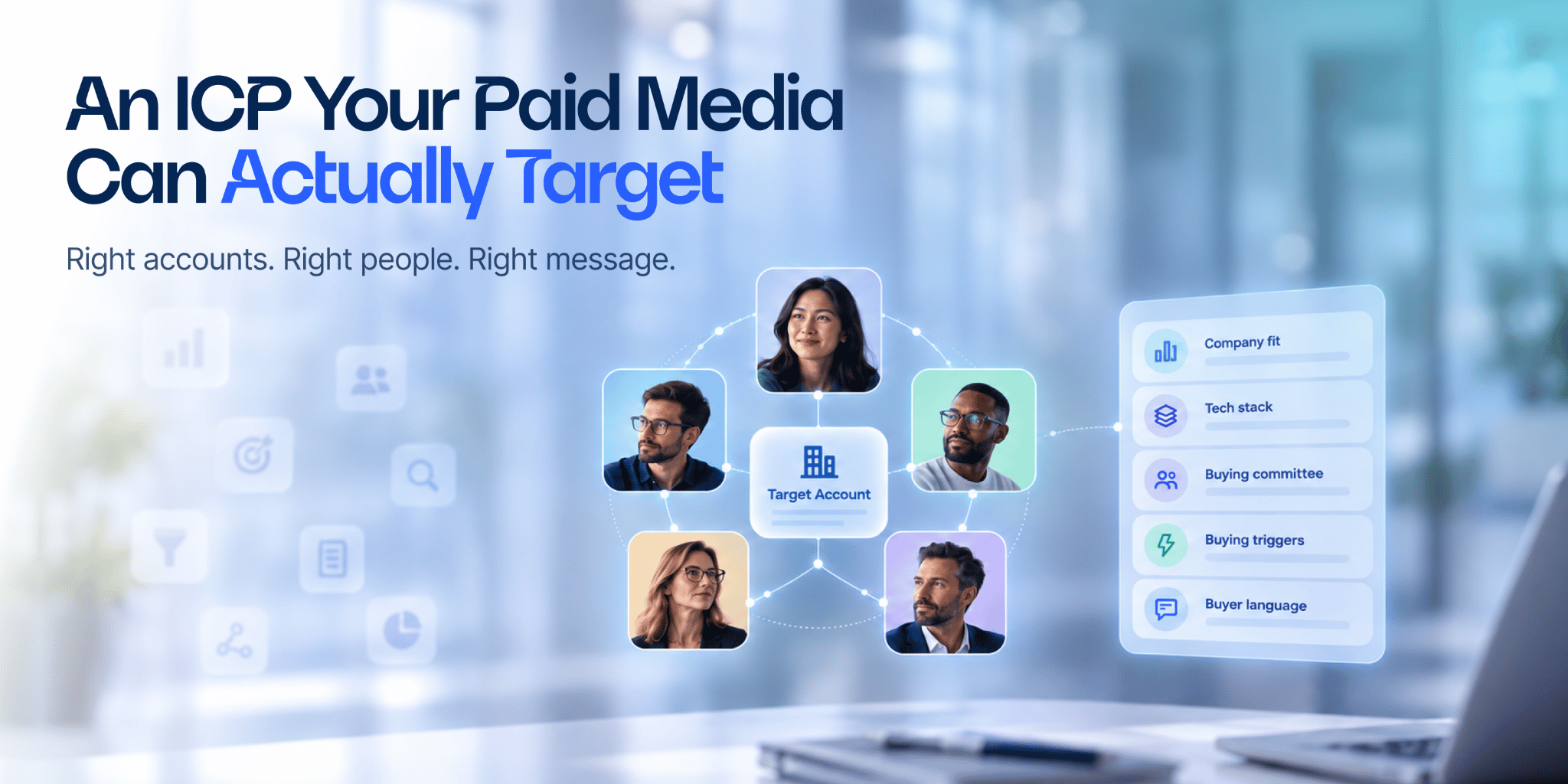
Building a B2B SaaS ICP That Paid Media Can Actually Target

A step-by-step framework for turning a vague B2B SaaS buyer persona into five targetable ICP inputs, mapped directly to LinkedIn and Google Ads targeting fields, with a fintech-specific breakdown included.

View
Articles
15-minute strategy call

Most Agencies Promise ROI. We Prove It.

Book a Call

More Posts

View
Video
October 26, 2026

Workshop: Marketing Complex Products in an AI-Driven World With Steve Keifer

Steve Keifer, CMO at Ordway, joins Alex Gluz to discuss why selling complex B2B SaaS and fintech solutions requires more than a strong product. They explore how to challenge established buying habits, create demand, and earn the trust of finance decision-makers.

View
Video
View
Podcast
October 16, 2026

Building a Data-Driven Marketing Engine for SaaS Success With Alex Schutte

Learn how to build a data-driven SaaS marketing strategy that attracts high-value customers and drives sustainable growth. Hubstaff's Alex Schutte shares insights on optimizing paid acquisition, improving lead quality, leveraging customer lifetime value, and aligning marketing with product development while balancing AI automation with human creativity.

View
Podcast
View
Video
October 12, 2026

Workshop: How AI, Buyer Signals & Relevance Are Reshaping B2B SaaS Revenue With Eric Quanstrom

Eric Quanstrom, VP of GTM Engineering at Apollo.io, joins Alex Gluz to explore why easier outbound has made buyer attention harder to win. The takeaway: signal-based selling and relevance beat volume, and AI should tee up more human sales conversations rather than replace them.

View
Video
View
Podcast
October 2, 2026

Sales Efficiency in the AI Era With Eric Quanstrom

In this episode of the Revenue Engine Podcast, Alex Gluz chats with Noah Fitzgerald, Chief Revenue Officer at Qredible, about leadership, growth, and building businesses that matter. Noah shares insights on founder challenges, customer-driven growth, and AI’s impact on business. He also discusses personal development, entrepreneurship, and lessons from building multiple ventures.

View
Podcast
View
Articles
September 28, 2026

Building a B2B SaaS ICP That Paid Media Can Actually Target

A step-by-step framework for turning a vague B2B SaaS buyer persona into five targetable ICP inputs, mapped directly to LinkedIn and Google Ads targeting fields, with a fintech-specific breakdown included.

View
Articles
View
Podcast
September 18, 2026

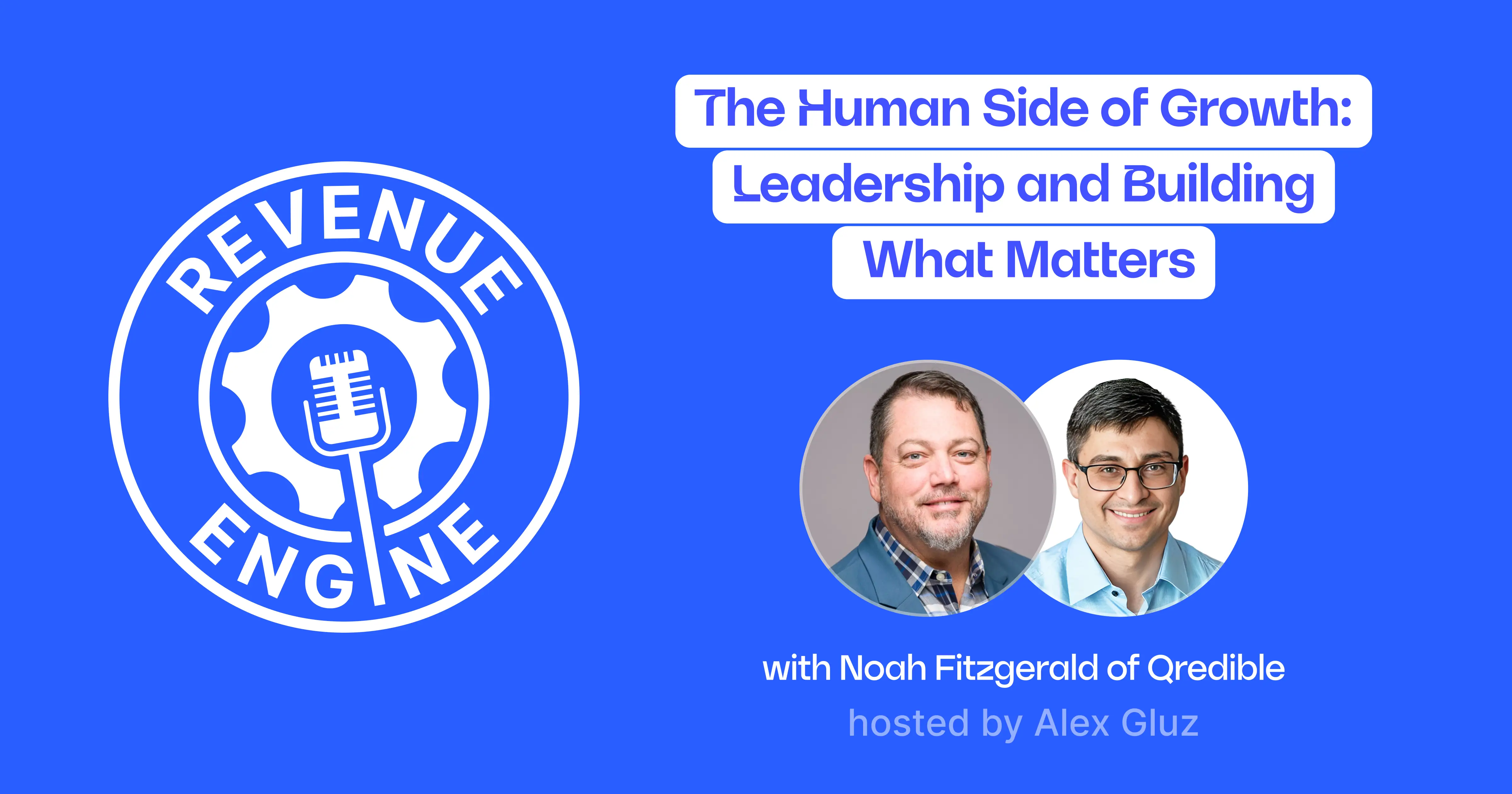
The Human Side of Growth: Leadership and Building What Matters

In this episode of the Revenue Engine Podcast, Alex Gluz chats with Noah Fitzgerald, Chief Revenue Officer at Qredible, about leadership, growth, and building businesses that matter. Noah shares insights on founder challenges, customer-driven growth, and AI’s impact on business. He also discusses personal development, entrepreneurship, and lessons from building multiple ventures.

View
Podcast
View
Articles
September 15, 2026

Google Ads vs LinkedIn Ads for B2B SaaS: Which Deserves the Next Dollar

Choosing a B2B SaaS agency or an in-house paid media hire is an 18-month cost question. See both sides of the model, with every assumption visible.

View
Articles
View
Articles
September 15, 2026

Agency vs In‑House for B2B SaaS Paid Growth: The Real 18-Month Cost Model

Choosing a B2B SaaS agency or an in-house paid media hire is an 18-month cost question. See both sides of the model, with every assumption visible.

View
Articles
View
Podcast
September 4, 2026

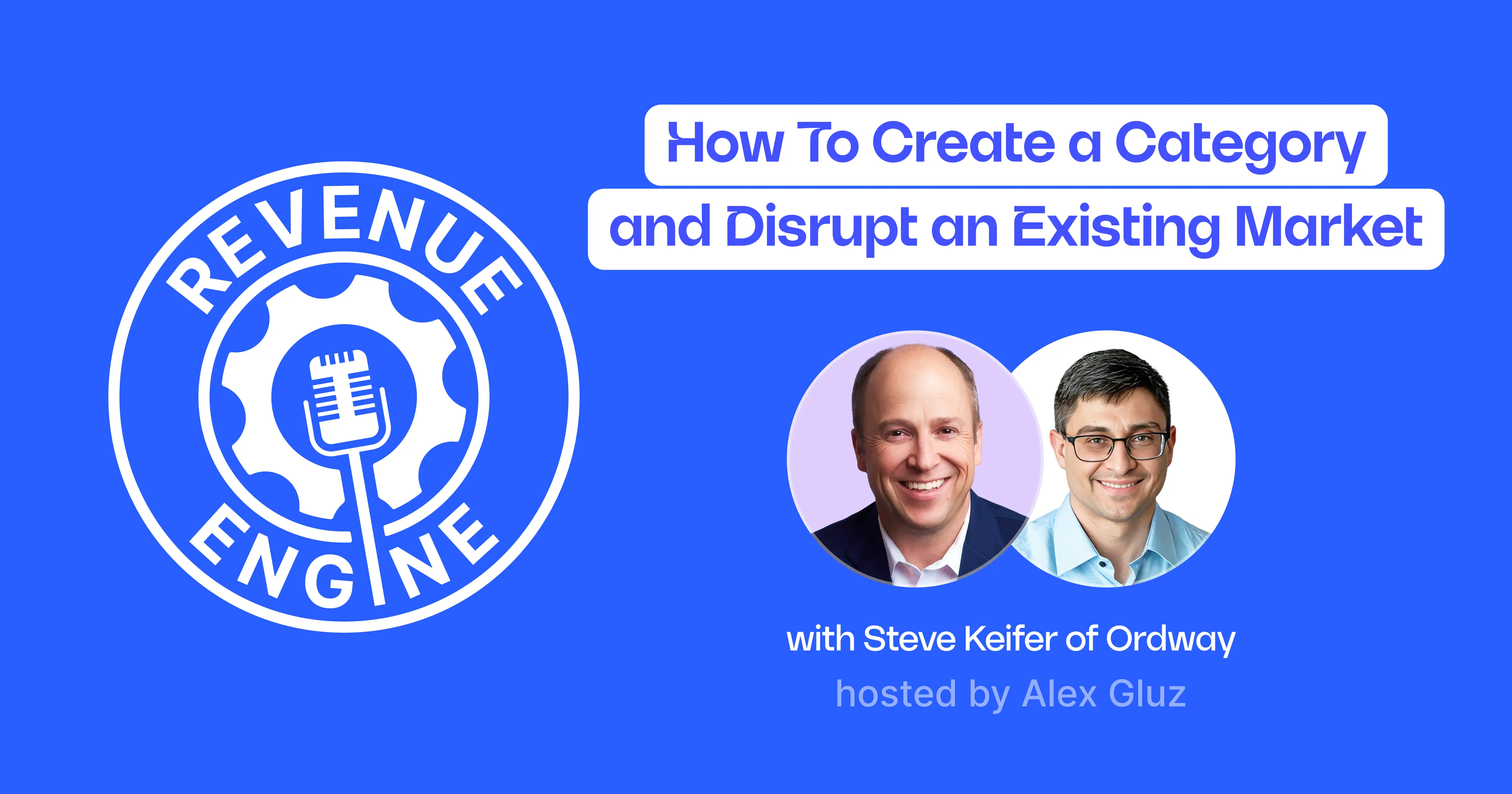
How To Create a Category and Disrupt an Existing Market With Steve Keifer

Learn how a category creation strategy builds market awareness, earns buyer trust, and helps B2B companies disrupt entrenched competitors effectively.

View
Podcast
View
Video
August 26, 2026

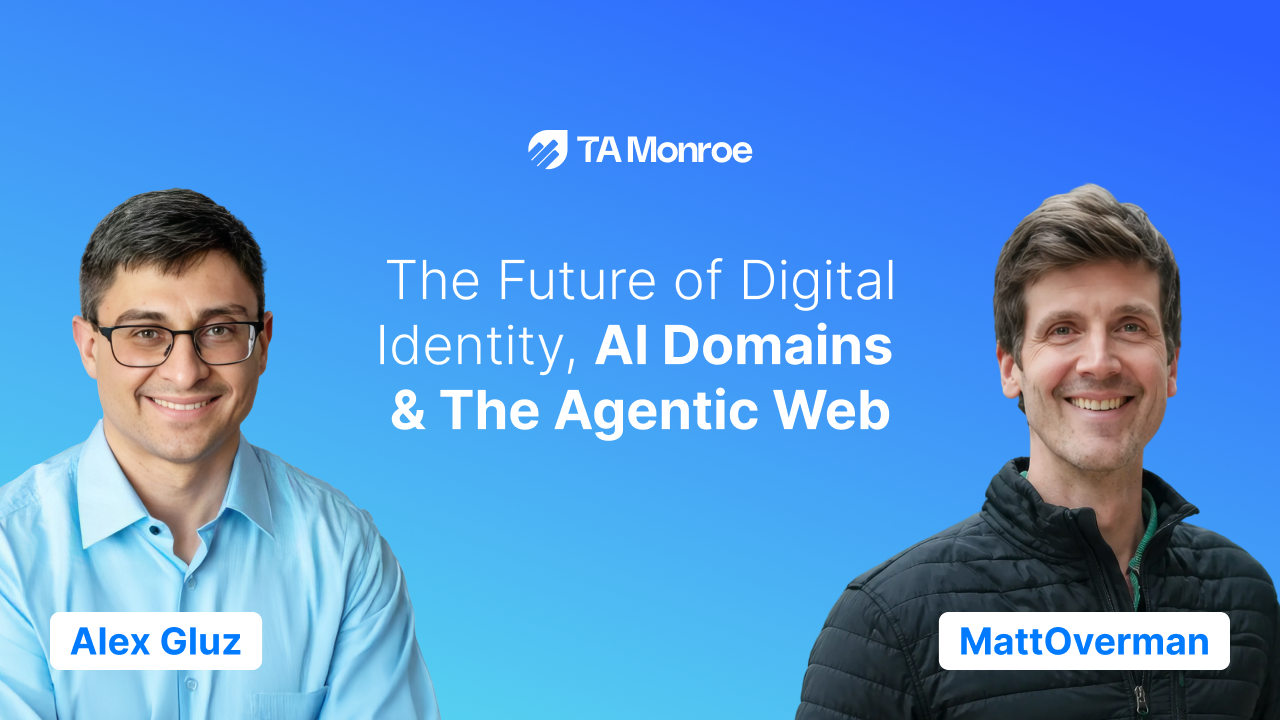
Workshop: How Domain Names Are Being Redefined for the Next Era of the Internet

Identity Digital CRO Matt Overman joins Alex Gluz to unpack what hundreds of millions of domain registrations reveal about digital identity and the agentic web. The takeaway: domains are becoming sovereign identity anchors for humans and AI agents, and legacy .com gravity is giving way to meaningful, purpose-built extensions.

View
Video
View
Podcast
August 21, 2026

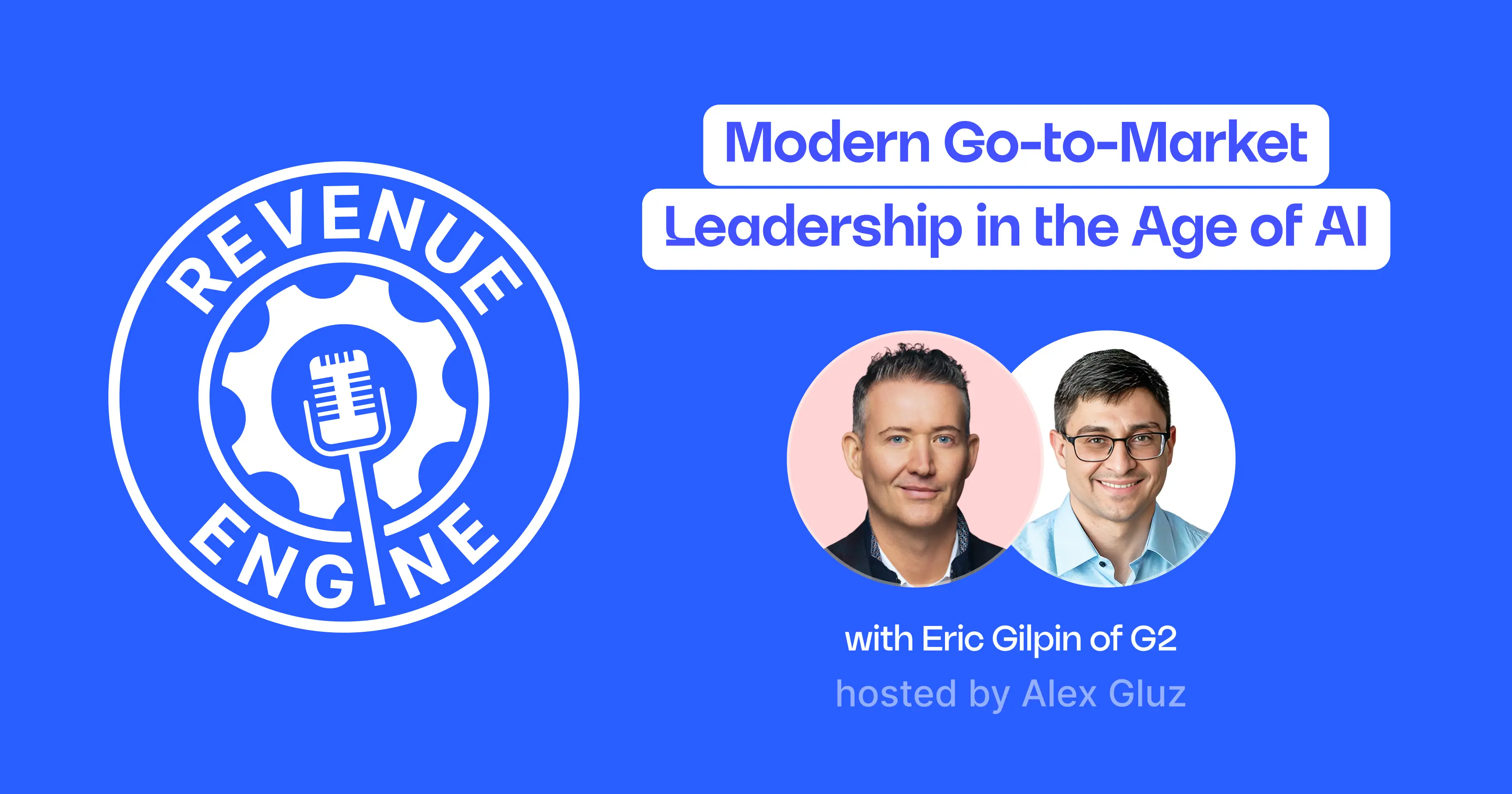
Modern Go-to-Market Leadership in the Age of AI With Eric Gilpin

Learn how AI go-to-market strategy helps SaaS teams adapt to buyer behavior, prove ROI, grow accounts, and build stronger customer relationships.

View
Podcast
View
Podcast
August 7, 2026

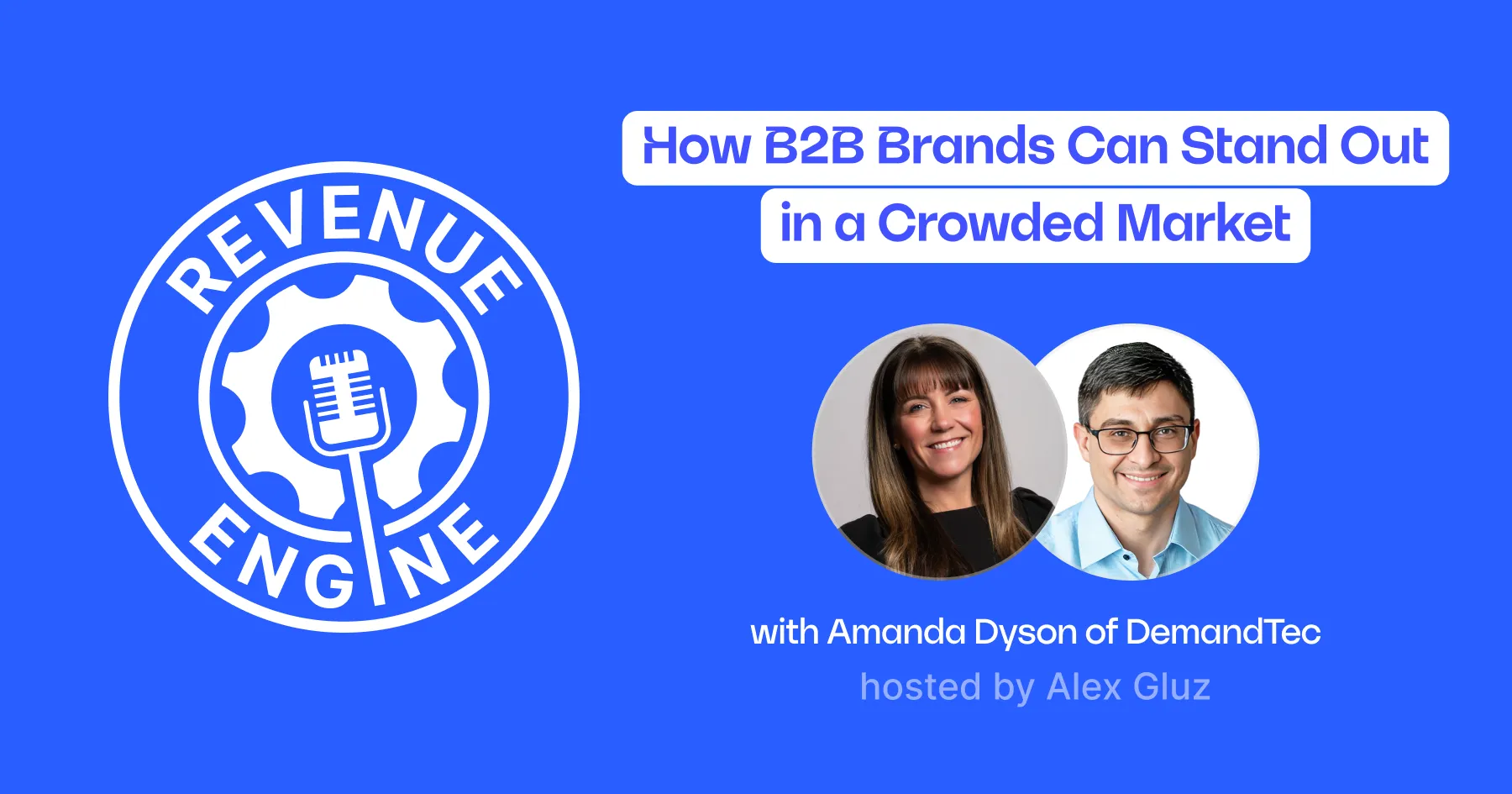
How B2B Brands Can Stand Out in a Crowded Market With Amanda Dyson

Learn how B2B brands can differentiate with a bold point of view, authentic content, strategic AI use, and marketing tied directly to pipeline.

View
Podcast
See all posts

More Resources

B2B SaaS Persona Builder

A copy-and-paste prompt for ChatGPT.

Download Now

The B2B SaaS Paid Growth Benchmarks Report 2027

The benchmarks B2B SaaS leaders use to see what a dollar of paid growth actually buys. Revenue-level data across three channels, plus a FinTech deep dive.

Download Now

5 Must-Know 2026 B2B Marketing Trends

Five trends shaping B2B SaaS pipeline generation in 2026, and the one move to make on each. A fast way to check your current strategy against what's actually working now.

Download Now

2026 AI Buyer Effect Field Guide

Buyers ask an AI tool instead of clicking through your funnel. This guide shows where that shows up first in your account, and what to do about it.

Download Now

LinkedIn Targeting Cheat Sheet

Four targeting layers, three ABM moves, and a 48-hour launch timeline. One page, actionable today.

Download Now

The Competitor Teardown Skill

Point it at any competitor URL. Get their positioning gaps, the buyers they've written off, and the one line that wins the deal.

Download Now

2026 Reddit Prelaunch Targeting Guide

No wasted spend, no setup surprises. Get your Reddit targeting right before you go live.

Download Now

2026 B2B Marketing Trends Report

What leading B2B marketers are prioritizing in 2026. The trends, data, and tactics to sharpen your strategy.

Download Now

AI Marketing Strategies Playbook: How 5 Marketing Leaders Cracked the AI Code

How 5 Marketing Leaders Cracked the AI Code.

Download Now

Google Search Ads Benchmarks Report

Learn why your search ads cost more and convert less (and what to do about it).

Download Now

B2B SaaS LinkedIn Targeting Blueprint

How to drive qualified leads in under 7 days using LinkedIn’s targeting capabilities (including account-based marketing).

Download Now

LinkedIn Ads Benchmarks Report 2026

The 2026 LinkedIn benchmarks B2B marketing teams use to lower CPLs and protect budget. Format-level data across four formats, two regions, and three industries.

Download Now

Explore Proven Formulas for High‑Impact LinkedIn Ads

LinkedIn Ads Swipe File.

Download Now

Creating a Complete Full-Funnel Strategy for Predictable Revenue Growth

Download Now

How to Stop Overpaying for Your Branded Google Ads Keywords

The Ultimate Branded Google Ads Optimization Guide.

Download Now

The 2026 Ultimate Revenue Engine Blueprint

Your guide to standing out in crowded markets without overspending on ads. Covers branding, PLG triggers, and community tactics in one concise playbook.

Download Now

5 Tips To Find Success on Google Ads

Download Now

7 High-ROI Google Ads Optimization Tips & Strategies + Bonus Checklist

Download Now

Improve Your MQL Quality in 90 Days Cheat Sheet

In this cheat sheet, you’ll learn the top hacks to get more marketing‑qualified leads for your sales funnel.

Download Now

4 Secrets for Running Paid Social Ads That You’re Not Supposed to Know

Download Now

Discover the 7 Essential Steps for an Effective Go-to-Market Strategy

Download Now

B2B SaaS Revenue Growth Checklist

If your revenue engine falls short of expectations, this checklist will help you quickly identify and address the underlying issues.

Download Now
See all free resources
Revenue Engine Newsletter

Get B2B Marketing & Growth Insights

Our SaaS-focused frameworks help you scale qualified pipeline and accelerate revenue growth.

Thank you! Your submission has been received!
Oops! Something went wrong while submitting the form.
T.A. Monroe logo, white version
Google Premier Partner 2026
Address:
7284 West Palmetto Park Road, Suite 101, Boca Raton, Fl 33433
Contact:
+1 (646) 844-9480
support@tamonroe.com
ServicesCase StudiesAbout UsCareersContact
Resource HubPodcastArticlesVideoLibrary
Copyright © 2026 – T.A. Monroe Digital Agency
Privacy Policy