Services

Our Services

Paid Media

Drive qualified demand with paid campaigns

Paid Search

Capture high-intent buyers through search

Paid Social

Turn social ads into pipeline growth

Our Services

SaaS Marketing

Scale B2B SaaS growth with full-funnel strategy

Creative & Content

Craft visuals and content that convert

Web Design & CRO

Design and optimize experiences that drive revenue

All Services Overview

Latest Insights

Revenue Engine Blueprint

Your guide to standing out in crowded markets without overspending on ads

Learn More

AI Marketing Strategies Playbook

How 5 marketing leaders cracked the AI code

Learn More

Success Stories
About
About Us

Who we are and how we work

Our Team

The people behind the work

Careers

Join the TA Monroe team

FAQ

Common questions answered

Contact Us

No pressure, commitment free

Resources
Book Intro Call
Book Intro Call
All resources
Articles
15
min read

AI in B2B SaaS Marketing: How It’s Reshaping Strategy, Content & Customer Experience

May 2, 2025

Table of Contents

>
Heading
>
Heading
>
Heading
>
Heading
>
Heading

Artificial intelligence isn’t just a buzzword anymore — it’s the engine quietly powering the most successful B2B SaaS marketing strategies today. From predictive lead scoring to AI-generated content and hyper-personalized customer journeys, AI is helping marketing teams work smarter, not harder.Whether you're just exploring automation or already experimenting with tools like GPT-4 or Jasper, this guide breaks down how AI is transforming every stage of the B2B SaaS funnel. We'll explore real-world use cases, actionable tips, and why ignoring AI in your marketing stack could leave your competitors miles ahead.
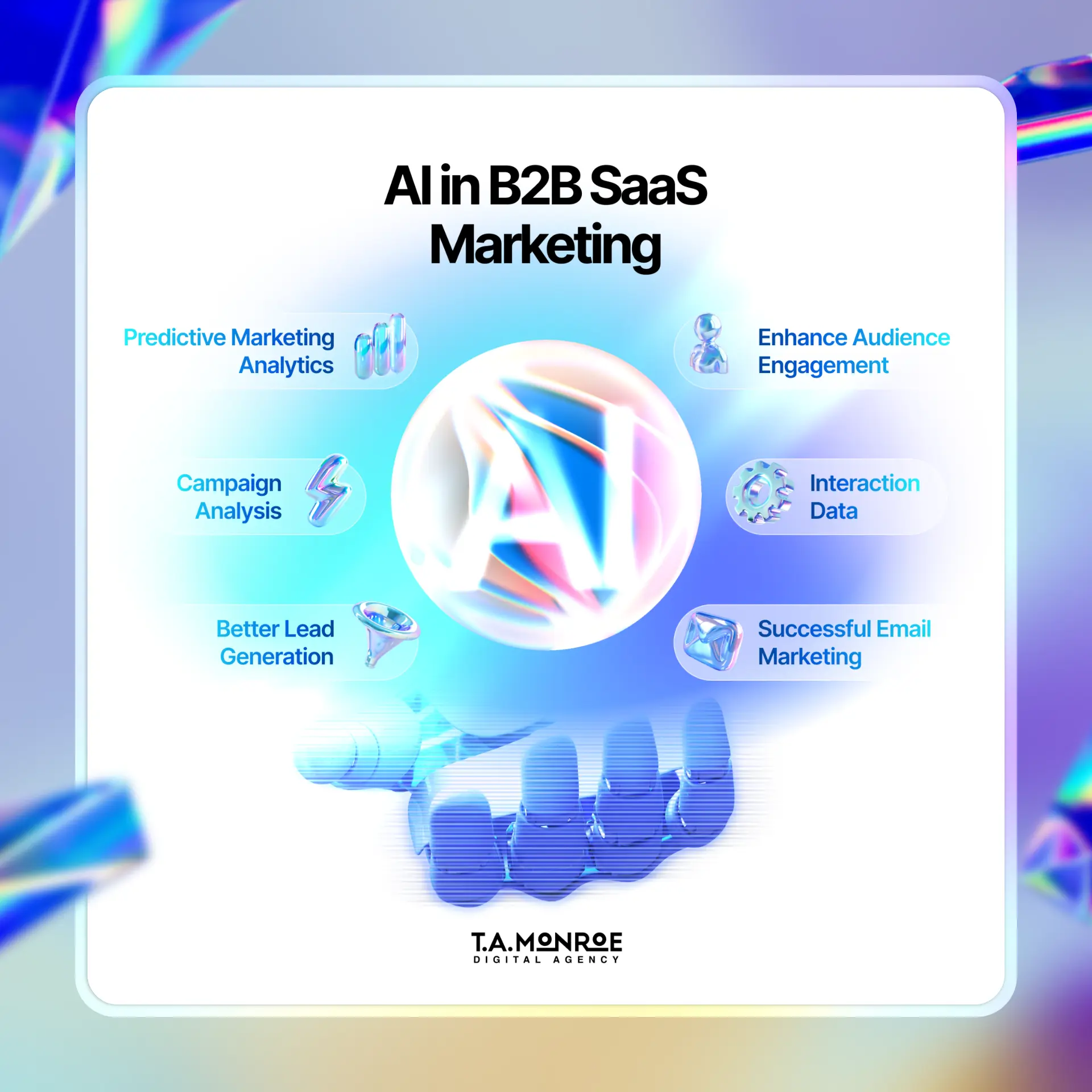
The Evolution of AI in B2B Marketing: Key Milestones and What They Mean

How NLP and LLMs Are Powering the Future of B2B Marketing

The rise of Natural Language Processing (NLP) — driven by breakthroughs in Large Language Models (LLMs) — has completely transformed how brands communicate. These models, built on transformer architectures, now allow machines to write, think, and even understand human context with incredible accuracy.

Key Advancements in LLMs

  1. Transformer Architecture:This is the backbone of modern NLP. It allows automation tech models like GPT-3 and GPT-4 to process massive amounts of language data quickly, making real-time content generation possible.
  2. Model Scaling:As AI models grew in size and were trained on more diverse datasets, they began outperforming traditional tools across nearly every language task — from writing to summarizing.
  3. Generative AI in Action:Tools like ChatGPT and Gemini (formerly Bard) brought generative AI into mainstream marketing. They're now writing emails, blogs, and sales scripts in seconds.

Capabilities of Modern LLMs

Modern LLMs excel in tasks that were previously challenging for earlier NLP systems:

  • Contextual Understanding:Unlike older models, which struggled with nuance and context, LLMs can now generate contextually appropriate text.
  • Content Creation:These models can draft marketing copy, blog posts, emails, and even technical documentation with minimal human input.
  • Sentiment Analysis:They analyze customer sentiment across thousands of interactions, offering insights for businesses to improve customer experiences.
  • Strategic Document Drafting:LLMs can produce comprehensive strategy documents or reports that previously required days of skilled human effort.

Practical Implications for B2B Marketing

For B2B marketers, these advancements translate into significant productivity benefits:

  • Efficiency: Tasks such as crafting personalized marketing campaigns or analyzing customer feedback can now be completed in minutes.
  • Focus on Strategy: By automating execution-level tasks, marketing teams can redirect their efforts toward creative direction and high-level strategic planning.
  • Scalability: LLMs enable businesses to scale their operations without increasing manpower.

The breakthroughs in large language models have reshaped what is possible in NLP. From content creation to customer communication and beyond, these advancements are driving efficiency while enabling businesses to focus on innovation and strategy.

Evolving Computer Vision & Multimodal Models

While Large Language Models (LLMs) often dominate conversations around machine learning, advancements in computer vision and multimodal AI are equally reshaping the landscape of B2B SaaS marketing. These technologies now empower machines to analyze visual content with near-human comprehension — identifying objects, recognizing patterns, and extracting meaningful insights from images and videos.

Key Advancements in Computer Vision

  • Scalability and Efficiency
    • Major advances in hardware optimization — such as AI-powered chips — enable real-time visual data processing on everything from mobile devices to industrial robotics.
    • Cloud-based platforms now allow businesses to scale their computer vision models effortlessly, leveraging massive datasets for more robust training and application.
  • Multimodal Integration
    • Cutting-edge models like OpenAI’s GPT-4 and Google Gemini seamlessly combine text, image, and video comprehension.
    • This integration allows for deeper analysis, such as correlating visual content with text data to unlock richer, more actionable insights.
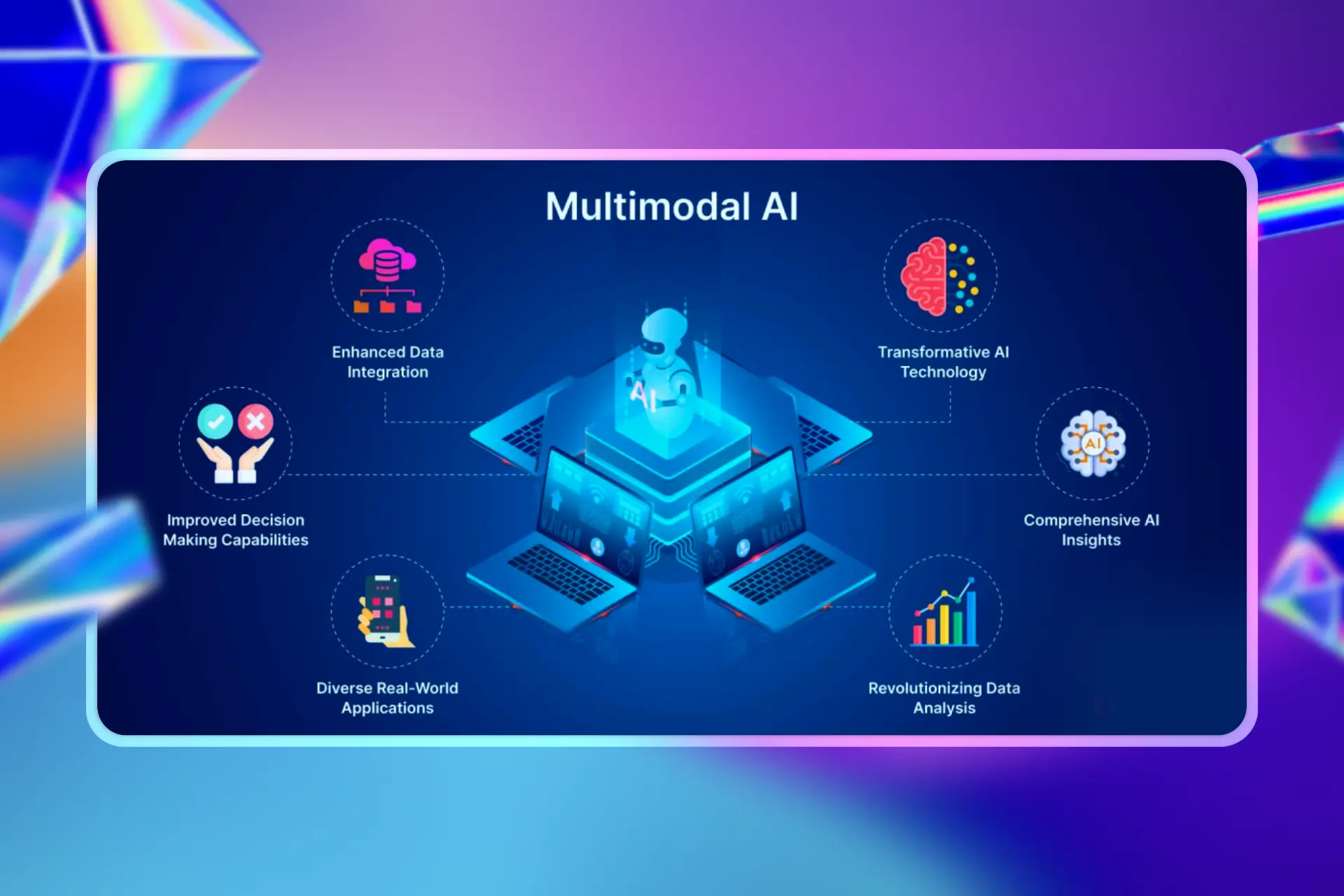
The practical implications of these advancements for B2B SaaS marketers include:

  • Enhanced Visual Content Analysis
    • Multimodal AI can process webinars, demos, and marketing assets to extract key takeaways automatically.
    • For instance, it can detect high-engagement moments during product videos or evaluate audience reactions based on facial and behavioral cues.
  • Customer Experience Optimization
    • SaaS platforms with complex interfaces can leverage computer vision to study real-time user interaction.
    • By identifying friction points using heatmaps and gesture tracking, teams can optimize UX based on actual usage data rather than assumptions.
  • Marketing Asset Personalization at Scale
    • Computer vision enables automated tagging, categorization, and indexing of visual assets like images and videos.
    • This makes it easier to deliver highly personalized content experiences and streamline creative workflows.

For B2B marketers and SaaS companies, computer vision and multimodal AI technologies unlock new opportunities to enhance engagement, drive automation, and extract deeper insights from visual data. As these capabilities continue to evolve, they’re becoming indispensable tools in the modern marketing stack.

Democratization of Tools

One of the most transformative shifts in recent years is the democratization of AI, especially for B2B SaaS marketing. What once required specialized data science teams, deep programming knowledge, and costly infrastructure can now be handled by marketers with minimal technical expertise.Thanks to no-code and low-code AI platforms, the power of artificial intelligence is now within reach for lean, fast-moving teams that want to innovate without friction.
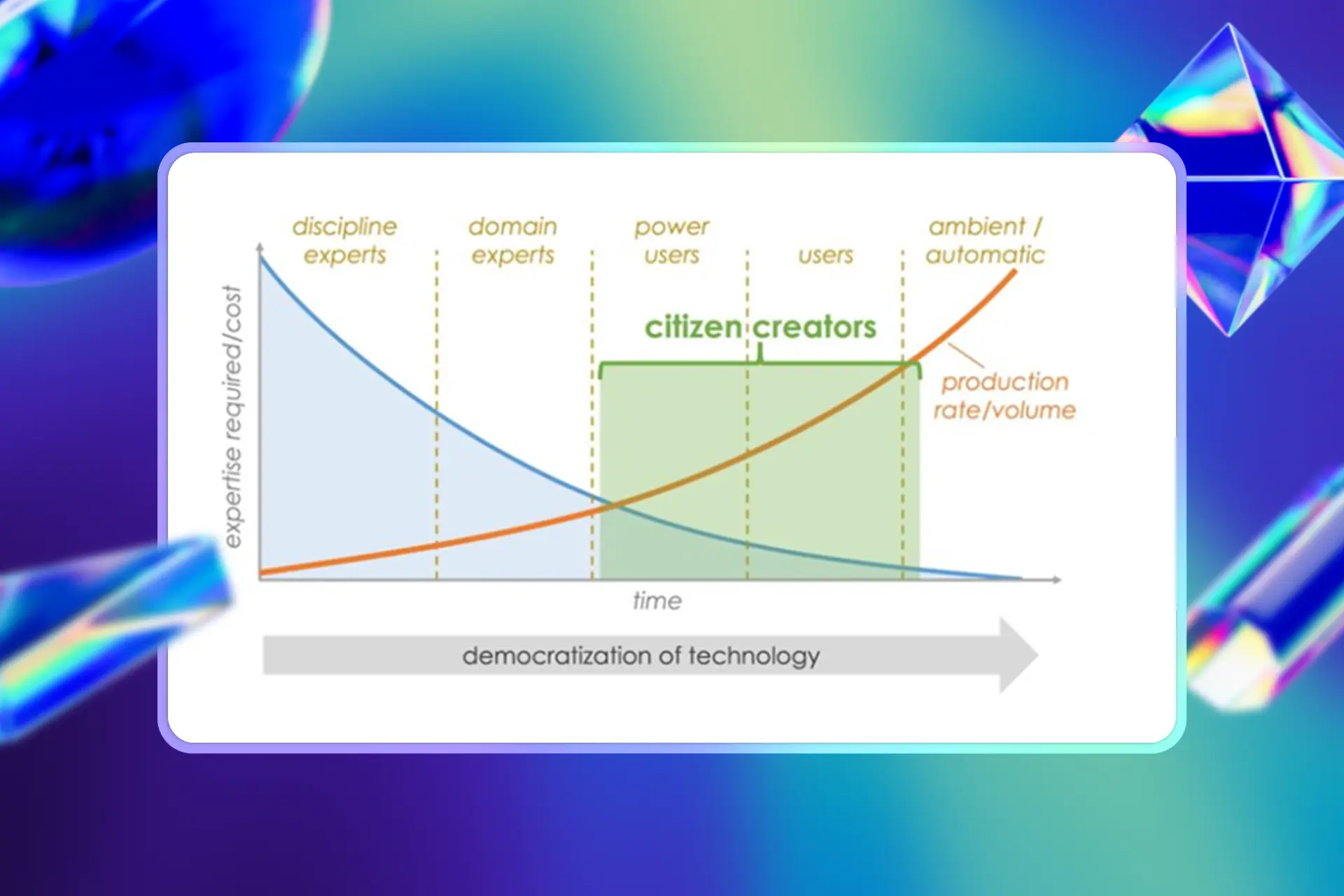
No-Code and Low-Code Platforms

  • Key Features
    • No-code platforms offer intuitive drag-and-drop interfaces, pre-built templates, and user-friendly workflows that allow non-technical professionals to create functional AI applications.
    • Low-code tools add slightly more flexibility, ideal for users with basic programming skills.
    • Both simplify everything from workflow automation and predictive modeling to building personalization engines and chatbots — no data scientist required.
  • Popular Tools in the Market
    • Tableau: A leading no-code data visualization platform that helps teams build interactive dashboards and make smarter decisions with zero code.
    • Mailchimp: Empowers marketers to automate email marketing, run A/B tests, and personalize content through a clean, code-free interface.
    • BuildFire AI: Specializes in AI-powered mobile app development, making it easy for entrepreneurs and marketers to create apps without technical support.

How Democratized AI Is Transforming B2B SaaS Marketing

  • Increased Agility
    • Marketing teams can now build, launch, and refine AI-powered solutions without relying on engineering support.
    • This speed allows for quicker adaptation to market trends, customer behavior, and new opportunities.
    • For instance, teams can create and test a predictive lead scoring model in days, not months.
  • Cost Efficiency
    • By eliminating the need for external developers or in-house specialists, these tools significantly lower operational costs.
    • Small and mid-size SaaS businesses now have access to the same advanced AI capabilities once reserved for enterprise-level players.
  • Scalability Made Simple
    • Many no-code platforms offer built-in API integrations and scalable infrastructure, allowing teams to grow their AI systems as business needs evolve.
    • Whether it’s scaling automated workflows or expanding multi-channel campaigns, these tools are designed for growth.
  • Shift Toward Strategy
    • With AI taking care of repetitive tasks like data cleansing, campaign testing, and performance monitoring, marketers can shift focus to strategic initiatives such as brand development and creative innovation.

Leveling the Competitive Landscape

One of the biggest impacts of democratized AI tools is how they have leveled the competitive landscape:

  • Smaller SaaS companies can now compete with larger incumbents using sophisticated AI features like hyper-personalization and predictive analytics.
  • Pre-built templates for vertical-specific use cases (e.g., e-commerce personalization, SaaS onboarding automation) make adoption faster and more impactful.

The rise of no-code and low-code AI tools has revolutionized how B2B SaaS companies adopt and benefit from AI. By removing technical barriers, reducing costs, and accelerating innovation, these platforms empower marketing teams to focus on what they do best — creating value for customers.

The Transformative Impact on AI B2B SaaS Marketing

How AI Delivers Hyper-Personalized B2B Campaigns at Scale

The shift from traditional segment-based messaging to AI-driven hyper-personalization is one of the most impactful changes in B2B SaaS marketing today. Thanks to machine learning and real-time behavioral analysis, companies can now tailor marketing experiences to the individual, not just the persona.AI-powered systems have made it possible to achieve personalization at scale, delivering messaging that feels genuinely one-to-one rather than templated. This evolution leverages advanced technologies and real-time data analytics to tailor experiences for individual prospects and customers.
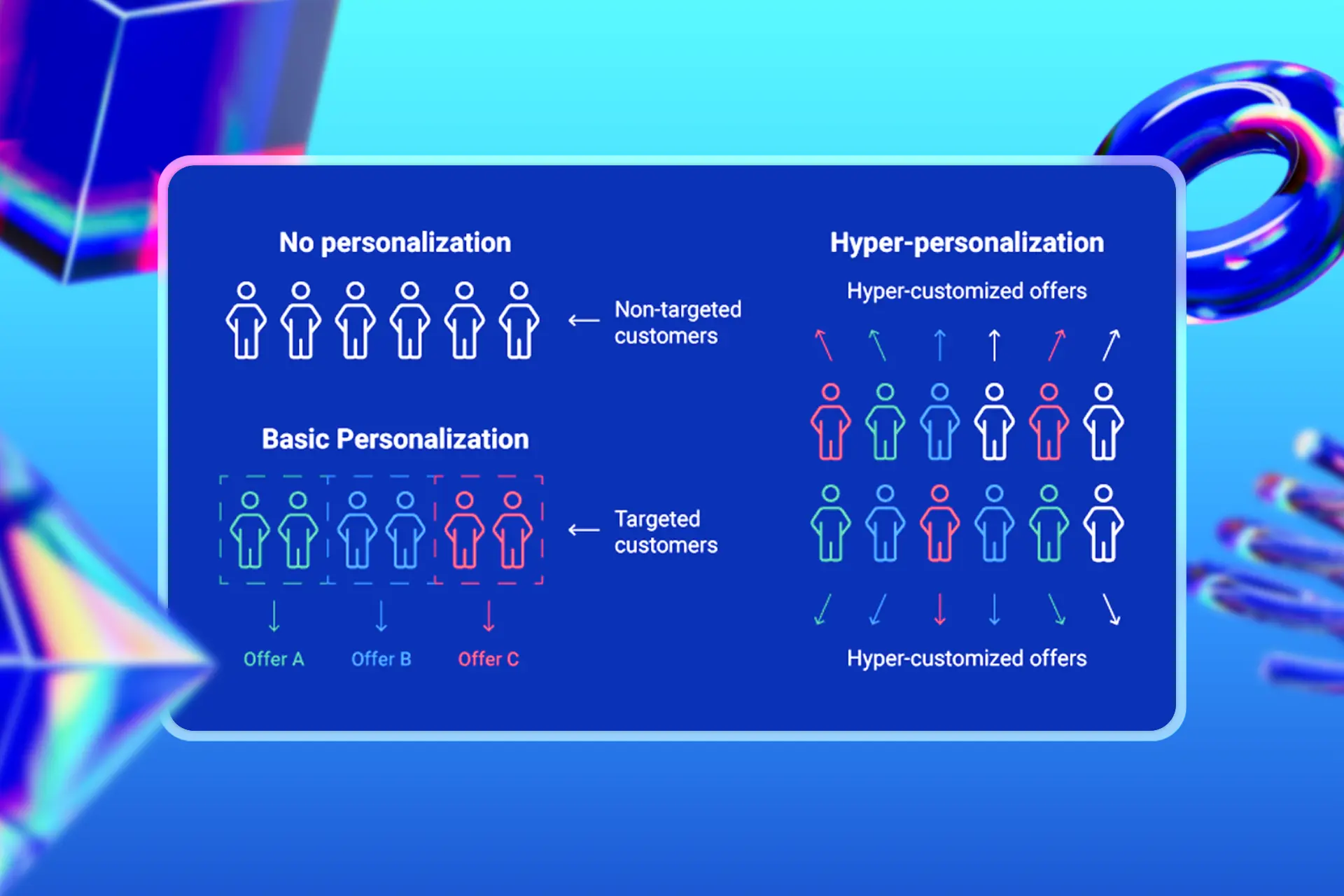
Unlike traditional segmentation that groups prospects by broad criteria, AI-driven hyper-personalization creates truly individual experiences by:

1. Connecting Disconnected Data Points

AI detects patterns across separate data sets. It links product usage behavior, content engagement, customer support interactions, and more.Example: Drift used intelligent systems to identify when multiple stakeholders from a single company visited specific product pages within a short time frame. This triggered highly targeted, account-based campaigns focused on the features they viewed.

2. Behavioral Signal Analysis for Intent Recognition

AI identifies subtle signals that indicate a customer’s intent to purchase. These go far beyond traditional form-fills or email opens.Example: Gong’s Revenue Intelligence platform scans sales call transcripts to detect common objections from procurement teams. Marketers then use this insight to build targeted content that preemptively addresses these concerns.

3. Real-Time Experience Adaptation

AI updates its understanding of each user in real time, based on new interactions. This enables continuous optimization of web experiences, messaging, and offers.Example: Mutiny’s platform identifies enterprise visitors from regulated industries and dynamically updates landing pages to emphasize compliance features and relevant case studies — all without manual input.Hyper-personalized campaigns represent a paradigm shift in B2B SaaS marketing by enabling true one-to-one communication at scale.By leveraging AI-driven insights and automation, marketers can craft campaigns that resonate deeply with individual prospects while maintaining efficiency across large audiences.

AI-Powered Content Creation: Smarter, Faster, and Tailored for SaaS

The exponential growth in content demands has placed immense pressure on B2B SaaS teams, with enterprises managing thousands of assets across multiple channels and stages of the customer journey.In response, AI has emerged as a transformative solution, enabling teams to scale content creation, management, and optimization with efficiency.

AI-Driven Content Strategy: Beyond Basic Generation
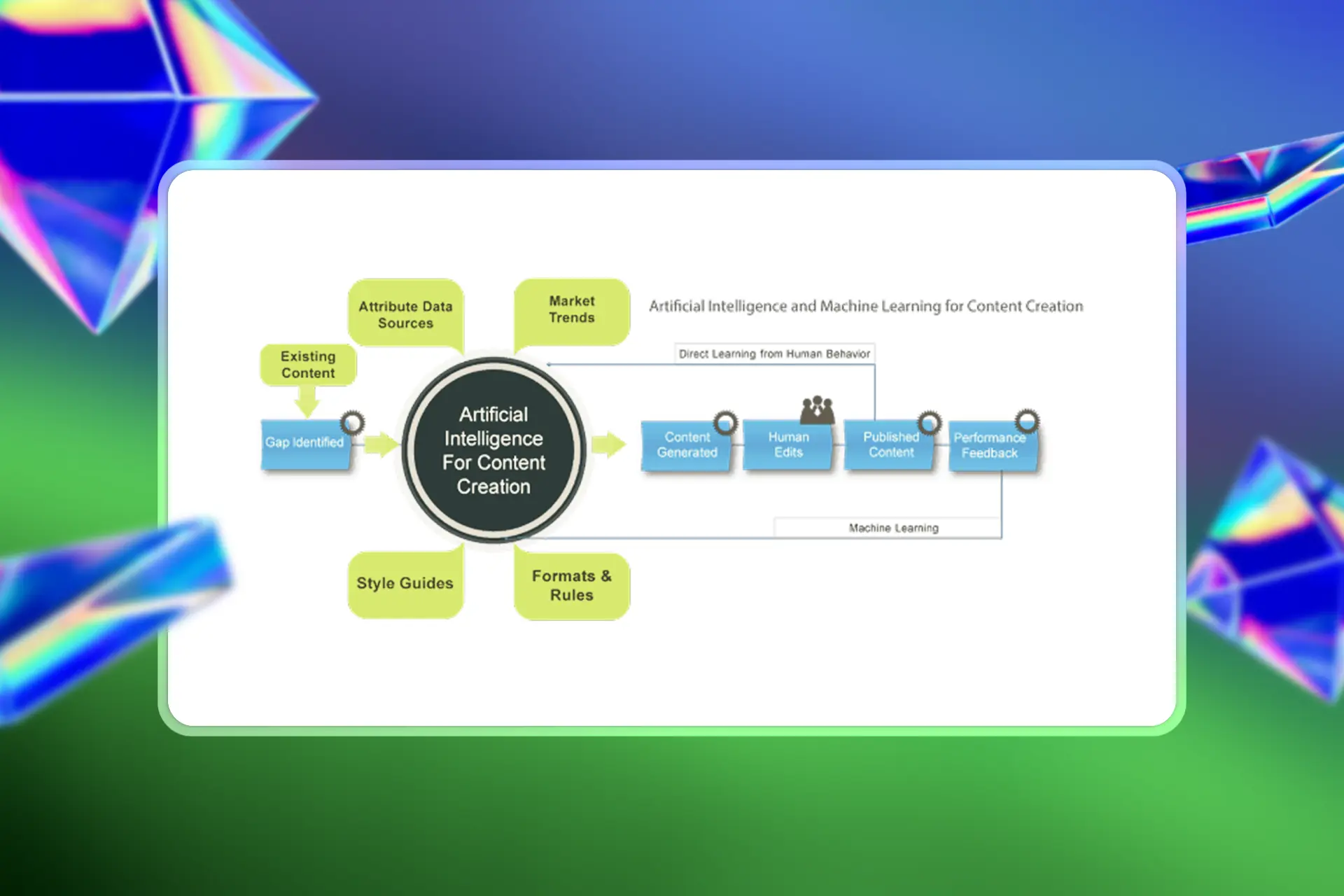
Modern AI content systems now go far beyond simple text generation to become strategic content partners:

1. Intelligent Content Planning:

AI tools analyze competitors, top-performing SERPs, and search intent patterns to discover content gaps and opportunities.Example: HubSpot’s content teams use GPT-4 not only to write but also to identify unanswered customer questions and overlooked content formats.

2. Multimedia Content Creation:

AI can now turn a single campaign brief into multiple assets such as blog articles, emails, social media captions, and landing page copy. All of this content stays aligned in tone and objective.Example: Jasper AI’s content workflows generate coordinated campaigns across multiple platforms using a single input.

3. Strategic Content Optimization:

Beyond readability and SEO scores, modern AI tools evaluate how well content supports business goals like conversions or brand positioning.Example: Clearscope assesses content against buyer intent and competitor positioning to recommend data-driven revisions.These technologies are now essential for B2B SaaS marketing teams facing growing content demands. By streamlining creation processes, enhancing management capabilities, and delivering actionable insights through performance analysis, AI empowers marketers to operate more efficiently while focusing on strategic initiatives.

Sales Enablement & Customer Support

As mentioned in the “Transformative Impact” section, AI now unifies marketing, sales, and customer success. Building on this concept, by automating routine tasks, providing actionable insights, and enhancing customer interactions, AI has transformed both sales enablement and customer support into strategic growth drivers.

AI in Sales Enablement
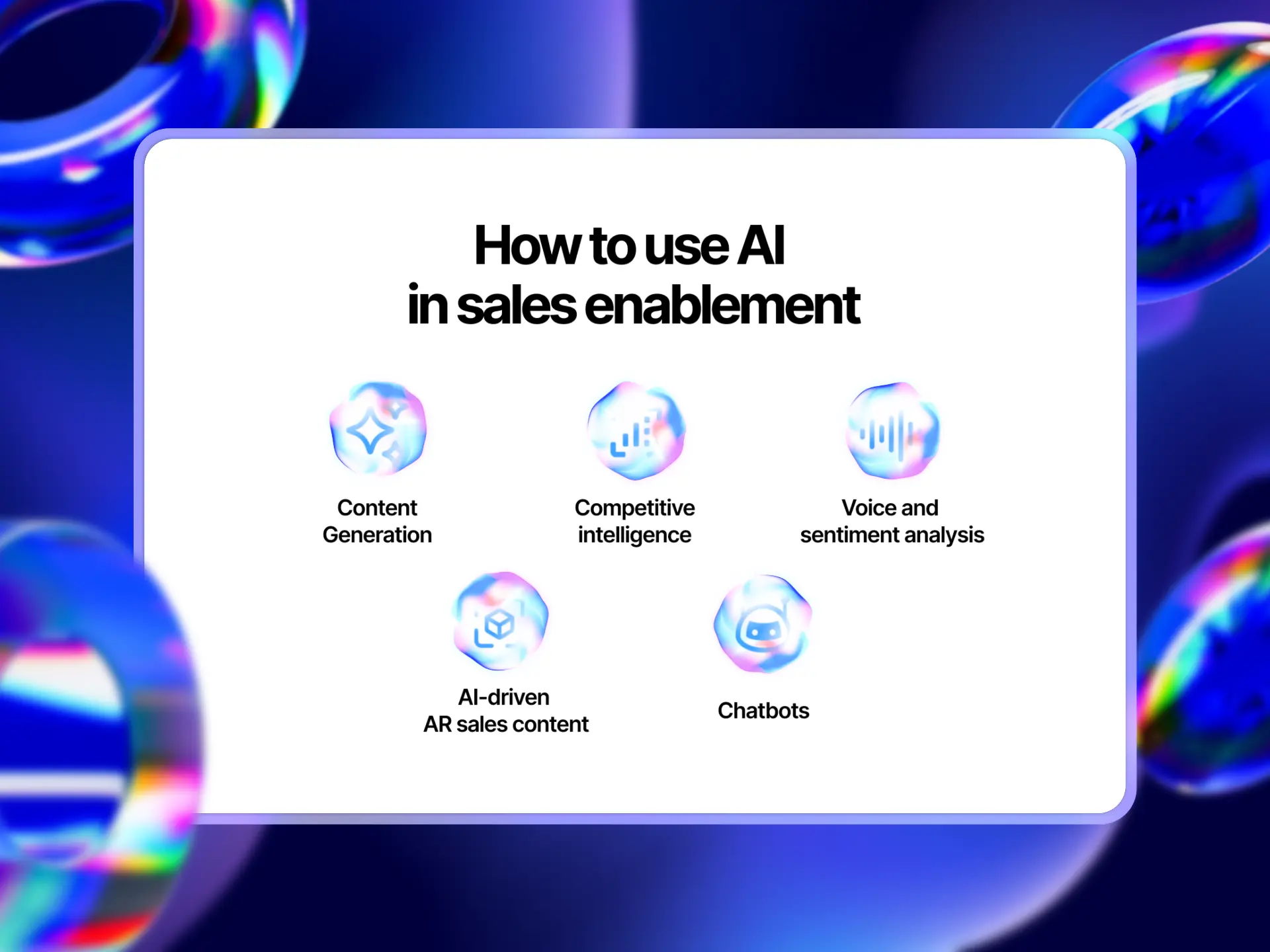
AI is unifying traditionally siloed departments by automating workflows, improving handoffs, and surfacing insights. Sales teams, marketers, and support reps now operate more efficiently and collaboratively.Key advancements include:

1. Intelligent Chatbots for Lead Qualification:

  • AI-driven chatbots engage prospects in real time, answering product-related questions, qualifying leads based on predefined criteria, and routing them to the appropriate sales representative.
  • This ensures consistent engagement regardless of team bandwidth.
  • Tools like Drift and Salesforce Einstein automate lead capture, meeting scheduling, and initial outreach, enabling sales teams to focus on higher-value activities.

2. Advanced Lead Scoring:

  • Modern AI systems analyze not only demographic and firmographic data but also behavioral signals (e.g., website activity, email engagement) and communication style preferences.
  • Predictive analytics prioritize leads with the highest likelihood of conversion while providing actionable insights about each opportunity’s specific needs and concerns.
  • This allows sales teams to tailor their approach for maximum impact.

3. Sales Forecasting and Pipeline Optimization:

  • Intelligent analytics predict future sales performance by analyzing historical data and identifying potential obstacles in the pipeline.
  • This helps sales managers allocate resources effectively and proactively address issues that could hinder deal momentum.

4. Conversation Intelligence:

  • AI systems like Gong transcribe and analyze sales calls to identify key topics, objections, and sentiment.
  • These insights help reps refine their pitches, improve communication strategies, and learn from high-performing peers.

5. Sales Content Personalization:

  • AI automates the creation of personalized pitch decks, proposals, and follow-up emails tailored to individual prospects’ pain points and use cases.
  • This level of customization enhances engagement and accelerates deal closure.

For SaaS companies with complex products and long sales cycles, these AI capabilities have delivered tangible benefits:

1. Shortened Sales Cycles:

By providing reps with detailed insights into prospect behavior and needs, AI accelerates the decision-making process for potential buyers.

2. Improved Conversion Rates:

Personalized outreach informed by AI insights resonates more deeply with prospects, leading to higher engagement and conversion rates.

3. Increased Customer Retention:

AI-powered customer support tools identify potential churn triggers and offer proactive solutions before escalation.

4. Enhanced Sales Productivity:

Repetitive tasks are handled by no-code AI tools, allowing teams to focus on high-value activities like strategic selling and customer success.AI has become an indispensable tool for aligning marketing, sales, and customer success functions in SaaS organizations.By automating routine tasks, delivering actionable insights, and enabling proactive engagement strategies, Smart automation empowers teams to drive growth while enhancing the overall customer experience.

Data-Driven Insights

Gone are the days of relying solely on backward-looking analytics. With AI tools for SaaS marketing, businesses are now harnessing predictive analytics and prescriptive insights to plan smarter, execute faster, and grow stronger.

From Historical Analysis to Predictive Guidance

1. Predictive Analytics:
  • AI enables marketers to forecast campaign performance, predict customer churn, and anticipate market trends with remarkable accuracy.
  • For example, AI tools can analyze historical sales data and engagement patterns to identify which prospects are most likely to convert or which accounts are at risk of churn.
  • Predictive capabilities allow marketing leaders to allocate resources more effectively, ensuring maximum ROI from campaigns and customer retention efforts.
2. Prescriptive Recommendations:
  • Beyond forecasting, AI provides actionable recommendations for optimizing strategies.
  • For instance, it can suggest the best channels for specific campaigns or recommend content types that resonate most with target audiences.

Smarter Budgeting and Resource Allocation

With content intelligence platforms for SaaS, marketing leaders make informed decisions - not guesses.

  • Content ROI Analysis:
  • AI tools analyze the performance of individual content pieces across multiple channels, identifying which assets deliver the highest returns.
  • This enables marketing teams to focus their investments on high-performing formats and topics.
  • Dynamic Budget Adjustments:
  • Real-time data analysis allows teams to adjust budgets dynamically based on campaign performance.
  • For example, if a specific ad set is outperforming others, AI systems can recommend reallocating funds to maximize impact.

Unifying Disparate Data Sources

For organizations with complex marketing technology stacks, AI serves as the integration layer that unifies various data sources into coherent insights:

1. Holistic Performance Views:
  • AI platforms aggregate data from CRM systems, marketing automation tools, social media platforms, and web analytics into a single dashboard.
  • This eliminates the need for manual data consolidation and provides a unified view of performance metrics.
Automated Signal Connection:
  • Instead of manually connecting behavioral signals across platforms (e.g., email engagement, website visits), AI identifies correlations and patterns automatically.
  • This enables marketers to understand customer journeys more comprehensively and optimize touchpoints accordingly.
Enhanced Data Accuracy:
  • AI cleans up and normalizes messy datasets (e.g., standardizing company names or categorizing free-form survey responses), ensuring that insights are based on reliable information.

Applications in B2B SaaS Marketing

1. Campaign Optimization:
  • Platforms like HubSpot’s Breeze Intelligence analyze customer behavior in real time to refine targeting strategies, recommend optimal timing for outreach, and suggest personalized content for different audience segments.
2. AI-DrivenCustomer Segmentation:
  • Machine learning models segment customers based on behavior, preferences, and engagement patterns rather than static demographic data.
  • These granular segments enable hyper-targeted campaigns that drive higher engagement rates.
3. Churn Prediction:
  • By analyzing usage patterns and support interactions, AI identifies customers at risk of churn early.
  • Marketing teams can then deploy targeted retention strategies, such as personalized outreach or tailored product recommendations.
4. Market Trend Analysis:
  • AI-powered tools like Nielsen AI, use vast datasets to uncover emerging trends in customer behavior or competitor activity.
  • These insights help businesses stay ahead by adapting their strategies proactively.

By unifying disparate data sources into actionable intelligence, AI empowers marketing teams to optimize campaigns, allocate resources effectively, and make informed decisions.

Ethical and Regulatory Considerations

Data Privacy & Compliance

The power of AI in marketing is directly tied to the volume and quality of data it can access, creating inherent tension with the growing complexity of global privacy regulations. From the General Data Protection Regulation (GDPR) in Europe to the California Consumer Privacy Act (CCPA) in the United States, and emerging frameworks like the EU AI Act, organizations must navigate a rapidly evolving compliance landscape while leveraging data-hungry AI systems.

Challenges in AI-Driven Marketing

1. Regulatory Complexity:
  • Privacy laws like GDPR, CCPA, and the EU AI Act impose strict requirements on how personal data is collected, processed, stored, and shared.
  • These include principles such as transparency, data minimization, purpose limitation, and storage limitation.
  • Emerging regulations specifically target AI applications, such as requiring explicit consent for data use in training algorithms or prohibiting certain high-risk uses of AI technologies.
2. Public Perception:
  • Consumers are increasingly aware of how their data is collected and used by AI systems. Transparency and trust are critical, as customers expect organizations to protect their privacy while delivering innovative solutions.

Proactive Strategies: Privacy by Design

Forward-thinking B2B SaaS companies are adopting privacy by design principles to address these challenges proactively:

1. Transparent Data Collection Practices:
  • Organizations must clearly communicate what personal data is being collected, why it is needed, and how it will be used.
  • Transparency builds trust and ensures compliance with regulations like GDPR’s transparency requirements.
2. Granular Consent Management:
  • Implementing systems that allow users to provide specific consent for different types of data processing ensures compliance with laws requiring informed consent.
  • For example, customers may opt into marketing communications but decline data sharing for analytics purposes.
3. Data Minimization & Purpose Limitation:
  • AI systems should be designed to collect only the data necessary for specific purposes and avoid repurposing it for unrelated activities.
  • This reduces exposure to compliance risks while aligning with regulatory principles.
4. Privacy-Focused Architectures:
  • Technical solutions like anonymization, encryption, and federated learning help minimize access to raw personal data while enabling AI systems to function effectively.
  • These approaches ensure that sensitive information remains secure throughout its lifecycle.

Navigating the intersection of AI and privacy requires a proactive approach centered on transparency, consent management, and privacy-first architectures.By embracing these principles, B2B SaaS teams can not only ensure compliance but also build trust with customers and turn robust data governance into a strategic advantage in competitive markets. .

Bias & Fairness

As AI systems increasingly influence customer targeting, content creation, and lead prioritization, the risks of algorithmic bias have come under scrutiny.Bias in AI arises when machine learning models reflect and perpetuate existing societal prejudices embedded in training data or algorithm design. Addressing these biases is not only an ethical imperative but also a business necessity in diverse and competitive markets.

Understanding Algorithmic Bias

Sources of Bias:
  • Dataset Bias: Training data often reflects historical inequities or incomplete representation, leading to skewed outputs. For example, if past marketing data primarily targets specific demographics, AI may prioritize those groups while excluding others.
  • Algorithmic Design Bias: Decisions made during model development, such as assigning higher weights to certain features, can unintentionally embed bias into outcomes.
Impact of Bias in Marketing:
  • Audience Segmentation: Biased algorithms may inaccurately segment audiences, overlooking valuable customer groups or alienating diverse demographics.
  • Content Personalization: AI systems risk reinforcing stereotypes by creating content that aligns with biased patterns in historical data.
  • Brand Reputation: Perceived unfairness in AI-driven decisions can damage trust among customers and stakeholders.

Proactive Strategies to Address Bias

Progressive B2B SaaS marketing teams are taking proactive steps to mitigate bias and ensure fairness:

1. Regular Bias Audits:
  • Conducting systematic reviews of AI outputs across diverse customer segments helps identify unintended biases.
  • For example, analyzing lead prioritization models to ensure equal opportunities for all demographic groups is a common practice.
  • Tools like IBM’s AI Fairness 360 provide frameworks for detecting and mitigating bias in machine learning systems.
2. Diverse Training Data:
  • Expanding datasets to include underrepresented groups reduces the risk of exclusionary outputs. This approach ensures that AI systems generalize fairly across all potential customers.
3. Explainable AI (XAI):
  • Explainable AI systems articulate the rationale behind their recommendations, enabling marketers to understand and challenge potentially biased decisions.
  • This transparency is particularly critical in B2B contexts where high-stakes investments depend on marketing insights.
  • For example, XAI can clarify why certain leads were prioritized or why specific content was recommended for a target audience.
4. Human Oversight:
  • Maintaining human involvement in key decision-making processes ensures that ethical considerations guide AI-driven strategies.
  • Teams should validate automated outputs before implementation to avoid unintended consequences.
5. Bias Mitigation Techniques:
  • Techniques like reweighting data samples, adversarial debiasing, and removing proxy variables from models help reduce bias during training and deployment phases.

Fairness as a Competitive Advantage

Organizations that prioritize fairness in their AI systems position themselves as trusted partners in increasingly diverse markets:

1. Building Trust with Customers:
  • Demonstrating a commitment to fairness resonates with customers who value inclusivity and ethical practices. This is particularly important in industries where data governance and equity are top priorities.
2. Regulatory Compliance:
  • Addressing bias proactively helps organizations comply with evolving regulations, which emphasize fairness and accountability in automated decision-making.
3. Enhanced Market Reach:
  • Fair algorithms unlock opportunities by accurately identifying and engaging previously overlooked customer segments, driving growth and inclusivity.

Addressing bias is essential for ensuring that AI systems align with both ethical standards and business goals.By implementing regular audits, leveraging explainable AI tools, and fostering inclusivity through diverse datasets, B2B SaaS marketers can mitigate risks while building trust with customers and stakeholders.Fairness is not just a regulatory requirement, it is a strategic advantage in today’s competitive landscape.

Brand Reputation Management

For B2B SaaS companies, where trust and expertise form the foundation of brand identity, AI ethics has become inseparable from broader reputation management.As AI systems play a growing role in marketing, sales, and customer engagement, the risks associated with AI failures pose significant threats to brand credibility. A single misstep can erode customer confidence far more severely than traditional marketing errors.

AI Governance Frameworks for Reputation Management

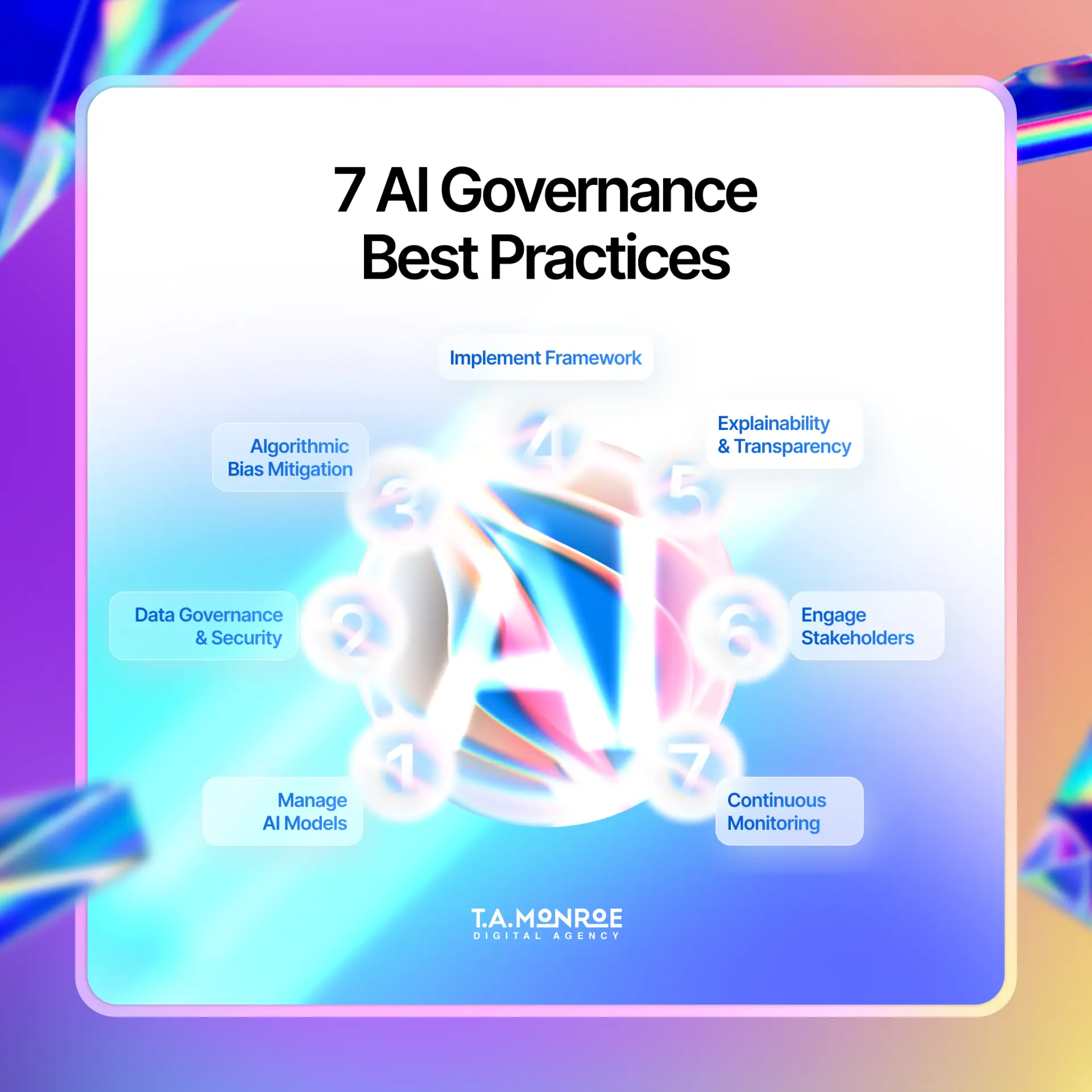
Leading organizations are mitigating these risks by developing comprehensive AI governance frameworks that extend beyond technical considerations to address brand alignment, ethical practices, and values representation:

1. Ethical Alignment:
  • Governance frameworks ensure that AI-generated content aligns with the company’s brand voice, ethical principles, and target audience expectations.
  • This includes maintaining consistency in tone and avoiding outputs that could be perceived as biased or insensitive.
2. Stakeholder Reviews:
  • Regular reviews of AI systems involve cross-functional teams from marketing, legal, product development, and customer success. These reviews evaluate both technical performance and alignment with organizational values.
  • For example, stakeholder reviews might assess whether an AI-driven lead prioritization system inadvertently excludes certain demographic groups.
3. Continuous Monitoring:
  • Ethical frameworks include mechanisms for ongoing monitoring of AI outputs to identify unintended consequences early.
  • Regular audits help ensure that systems remain fair, unbiased, and compliant with evolving regulations.
Turning Ethics into a Competitive Advantage

Forward-thinking companies view ethical AI practices not as constraints but as opportunities to build trust and differentiate themselves in competitive markets:

1. Building Trust with Enterprise Clients:
  • Ethical AI practices resonate particularly with enterprise customers in regulated industries like finance or healthcare, where data governance is a top priority.
  • Demonstrating robust ethical standards can strengthen client relationships and secure long-term partnerships.
2. Market Differentiation:
  • Companies that lead in ethical AI adoption position themselves as innovators committed to responsible practices.
  • Certifications from industry organizations (e.g., Trustworthy Artificial Intelligence initiatives) further reinforce this positioning.
3. Mitigating Risks Proactively:
  • By addressing potential issues before they arise, such as bias or privacy concerns, companies reduce the likelihood of reputational damage while fostering customer loyalty.

Future Directions for Ethical Reputation Management

As the role of AI expands in marketing and customer engagement, companies must continue evolving their approaches to reputation management:

1. Industry Standards:
  • The development of standardized ethical guidelines for AI usage will help organizations align their practices with industry norms while ensuring compliance with emerging regulations.
2. Human-AI Collaboration:
  • Balancing automation with human oversight ensures that interactions remain authentic and aligned with brand values.
  • For example, combining human-led video content with subtle AI enhancements can maintain trust while improving efficiency.
3. Customer Education:
  • Transparent communication about how AI is used, and how it aligns with ethical principles, helps build confidence among customers who may be skeptical of automated systems.

Managing brand reputation in the age of AI requires more than just technical proficiency; it demands a commitment to ethical practices that align with organizational values and customer expectations.By implementing robust governance frameworks, fostering transparency through explainable AI, and proactively addressing risks, B2B SaaS companies can protect their reputations while building trust in an increasingly AI-driven world.

AI Implementation Roadmap for Different Maturity Levels

Successful AI adoption in B2B SaaS marketing depends heavily on your organization's current data capabilities and technical maturity. Here's a practical implementation approach based on where your organization stands today:

Beginner Level: Building the Foundation

Current State:

  • Limited structured data
  • Marketing, sales, and support data in separate systems
  • Minimal experience with analytics beyond basic reporting

Implementation Priorities:

1. Data Unification:
  • Implement a customer data platform (CDP) to create unified profiles across marketing, sales, and support interactions.
  • Example: Segment's CDP allowed Udemy to connect previously siloed customer data, creating the foundation for their AI initiatives before attempting advanced applications.
2. Baseline Analytics:
  • Establish clear KPIs and measurement frameworks before moving to predictive analytics.
  • Example: Moz began with defining consistent metrics and data collection methods across channels before implementing AI-based forecasting.
3. Start with Vendor Solutions:
  • Choose established, user-friendly AI tools with proven ROI in your specific industry.
  • Example: SmartBug Media initially implemented HubSpot's out-of-box AI features for content optimization before developing custom solutions.

Intermediate Level: Targeted Applications

Current State:

  • Unified customer data available
  • Basic analytics capabilities in place
  • Initial experience with vendor AI solutions

Implementation Priorities:

1. Content Intelligence:
  • Implement AI-powered content analysis to optimize existing materials before moving to generation.
  • Example: Mailchimp first used AI to analyze which existing email templates performed best with specific segments before implementing AI-generated subject lines.
2. Predictive Scoring:
  • Apply machine learning to identify high-value prospects or churn risks based on behavioral signals.
  • Example: Intercom developed a staged approach to churn prediction, starting with basic models focused on just 3-5 key indicators before expanding to more complex signals.
3. Process Redesign:
  • Review and modify marketing processes to incorporate AI insights into decision workflows.
  • Example: Drift redesigned their lead qualification process to incorporate AI-identified buying signals, creating clear handoff protocols between automated and human touchpoints.

Advanced Level: Integrated AI Systems

Current State:

  • Robust data infrastructure with clean, connected data
  • Established analytics practice
  • Experience with multiple AI applications

Implementation Priorities:

1. Custom Model Development:
  • Create proprietary models tailored to your specific business challenges.
  • Example: Twilio built custom NLP models trained on their industry-specific terminology to analyze support conversations and product feedback at scale.
2. Algorithmic Marketing:
  • Implement systems that automatically optimize channel mix, content, and timing based on continuous learning.
  • Example: Adobe's marketing team developed an integrated system where campaign parameters automatically adjust based on real-time performance data across channels.
3. Autonomous Experience Orchestration:
  • Deploy systems that dynamically create personalized customer journeys without manual intervention.
  • Example: Salesforce implemented their own marketing platform to create "self-assembling" customer experiences where content, offers, and interaction points adapt automatically based on individual behaviors.

Key Success Factors Across All Levels:

  • Executive Sponsorship: Secure leadership buy-in by focusing on business outcomes rather than technical capabilities
  • Cross-Functional Teams: Form implementation groups that include both technical and business stakeholders
  • Incremental Approach: Prioritize quick wins to build momentum before tackling more complex applications
  • Reference Ethical Foundations: Leverage the governance frameworks outlined in the “Ethical and Regulatory Considerations” section to maintain compliance and trust.

This implementation roadmap provides a practical path forward regardless of your organization's current AI readiness, allowing you to build capabilities systematically rather than attempting advanced applications without the necessary foundation.

Looking Ahead: Future AI Trends for B2B SaaS

Convergence of AI & Other Technologies

The next phase of innovation in B2B SaaS marketing will be driven by the integration of AI with complementary technologies, enabling new possibilities for customer engagement and operational efficiency:

1. AI + IoT:

  • The convergence of AI and IoT will allow businesses to leverage real-time data from connected devices and sensors.
  • For example, SaaS companies can analyze product usage patterns to deliver hyper-targeted marketing campaigns or proactively recommend features based on customer behavior.

2. AI + AR/VR:

  • Combining AI with augmented reality (AR) and virtual reality (VR) will revolutionize product demonstrations, training, and customer education.
  • Immersive experiences powered by AI will enable personalized walkthroughs of complex SaaS solutions, reducing the need for extensive human resources in sales processes.
  • For example, AR/VR tools could simulate real-world scenarios where a SaaS product solves specific pain points, creating a more engaging and memorable experience for prospects.

3. Data Ecosystem Advancements:

  • As data ecosystems evolve, AI will benefit from richer, more comprehensive customer insights.
  • Unified architectures that integrate data from CRM systems, IoT devices, and third-party sources will amplify AI’s ability to deliver actionable recommendations.
  • Organizations that build flexible and scalable data infrastructures will gain a competitive edge over those with siloed AI implementations.

Generative AI 2.0

The next wave of generative AI will extend beyond text and static images to dynamic media formats, enabling marketers to scale high-touch experiences:

1. Dynamic Media Creation:

  • Generative AI will produce personalized videos, interactive demonstrations, and voice-based communications tailored to individual prospects.
  • These capabilities will allow B2B marketers to deliver customized experiences at scale.
  • For instance, SaaS companies could generate on-demand product demos that address specific use cases or pain points for different stakeholders within a buying committee.

2. Impact on Complex Sales Cycles:

  • In industries where "showing" is more effective than "telling," generative AI will compress sales cycles by automating the creation of compelling visual narratives.
  • This will be particularly transformative for sophisticated SaaS offerings that require detailed explanations or technical walkthroughs.

Strategic Skill Shifts

The rise of AI in B2B marketing is reshaping the skill sets required within marketing teams:

1. The "AI-Savvy Marketer":

  • Future marketers will need to blend traditional creative and strategic skills with data fluency and AI orchestration capabilities.
  • While they won’t need to be technical experts, they must understand how to direct AI systems effectively and critically evaluate their outputs.
  • This hybrid role involves translating business objectives into AI-compatible frameworks while ensuring that automated outputs align with broader brand strategies.

2. Leadership Evolution:

  • Leadership teams are increasingly prioritizing professionals who can bridge the gap between creativity and technology.
  • These individuals are valued for their ability to harness AI’s potential while maintaining a human-centric approach to marketing strategy.

Next-Level Personalization

AI is driving a shift from segment-level personalization to real-time individualization across all customer touchpoints:

1. Real-Time Adaptation:

  • Advanced AI systems will adapt content, messaging, and entire customer journeys based on immediate feedback and behavioral signals.
  • This level of personalization ensures that every interaction feels relevant and timely.

2. Personalization Across Buying Committees:

  • For B2B contexts involving complex buying committees, AI will tailor experiences for each stakeholder while maintaining narrative coherence across the account.

3. Enhanced Customer Journeys:

  • By integrating insights from multiple channels (e.g., CRM data, website interactions), AI will create seamless customer journeys that dynamically adjust based on user behavior.

The future of B2B SaaS marketing lies in the convergence of advanced technologies like IoT, AR/VR, and generative AI with increasingly sophisticated data ecosystems. These innovations promise to transform how businesses engage customers by enabling personalized experiences at scale while optimizing operational efficiency.To remain competitive in this evolving landscape, organizations must invest in flexible architectures that support these emerging technologies and cultivate teams equipped with hybrid skills blending creativity, strategy, and technical fluency.By embracing these trends early, forward-thinking SaaS companies can position themselves as leaders in an increasingly dynamic market environment

Automated AI (AutoML)

AutoML is revolutionizing machine learning by automating tasks that used to require specialized data scientists, such as model selection, hyperparameter tuning, feature engineering, and ongoing retraining.By abstracting away the manual effort in building and deploying ML models, AutoML empowers a broader range of teams to harness the power of AI quickly and effectively.

Improving Efficiency in B2B Campaigns

  1. Streamlining Repetitive Tasks:AutoML solutions can automate follow-up emails, social media updates, and campaign scheduling, freeing marketers to focus on high-level strategy.
  2. Enhancing Lead Nurturing with Personalization:By analyzing user behavior, demographics, and past interactions, AI tailors content to each lead’s journey, raising conversion likelihood.
  3. Optimizing Campaign Performance with Real-Time Data:Quick, automated insights allow marketers to tweak email subject lines or redirect ad spend on the fly, leading to better ROI.
  4. Reducing Manual Efforts & Increasing Output:AI speeds up tasks like lead scoring, email personalization, and ad targeting, so teams can invest more time in creative thinking.
  5. Clarity via Predictive Analytics:AI not only forecasts which leads will convert but also suggests how campaigns might perform across channels, guiding budget allocation.
  6. Boosting Results with Precision Targeting:AI processes user behavior across touchpoints and delivers personalized content or offers, often in real time.
  7. AI-Powered Optimization:By continuously analyzing campaign performance, AI can shift budgets, refine messaging, and respond immediately to changes in audience behavior.
  8. Scaling Campaigns:Chatbots and automation tools scale customer interactions while keeping them timely and personal, fueling growth without proportional increases in resources.

Actionable Next Steps for B2B SaaS Marketers

Instead of merely adopting AI tools, successful B2B SaaS marketing teams are rethinking their entire approach to align with AI capabilities:

1. Start with Data Infrastructure, Not Tools:

  • Conduct a data audit identifying gaps in your customer journey tracking.
  • Implement unified customer data platforms (CDPs) before advanced AI applications.
  • Establish clear data governance frameworks that balance utility with privacy compliance.

2. Adopt an Incremental Implementation Strategy:

  • Begin with high-impact, low-complexity applications like content optimization.
  • Set clear success metrics for each implementation phase.
  • Document process changes required alongside technology deployments.

3. Build Multi-Disciplinary AI Competence:

  • Develop training programs that make AI literacy a core marketing team skill.
  • Create collaboration frameworks between marketing, data science, and product teams.
  • Establish ethical guidelines for AI applications before implementation challenges arise.

4. Measure What Matters:

  • Move beyond vanity metrics to track AI's impact on customer acquisition costs and lifetime value.
  • Implement A/B testing frameworks that isolate AI's contribution to performance improvements.
  • Develop dashboards linking AI investments directly to revenue outcomes.

By applying these principles, B2B SaaS marketers can transform AI from an interesting technology experiment into a sustainable competitive advantage that drives measurable business growth.

Share this post

Get B2B Marketing Tips

Subscribe for weekly growth tips, marketing playbooks, and actionable best practices

By subscribing you agree to with our Privacy Policy

Thank you! Your submission has been received!
Oops! Something went wrong while submitting the form.

Uncover Your Competitors' Marketing Tactics

A comprehensive analysis – benchmarking your strategies against your top 2 competitors

Get your analysis
15-minute strategy call

Create Demand. Capture Revenue.
Scale Profitability.

Book Intro Call

More Posts

View
Podcast
January 30, 2026

Building Revenue Engines in the Restaurant Technology Space With Tara Clever

Tara Clever is the Chief Revenue Officer at MarginEdge, a restaurant management and bill payment platform that leverages automation and AI to streamline restaurant operations. Under her leadership, MarginEdge has marked its 10-year anniversary by reaching major milestones, including onboarding its 10,000th restaurant customer and expanding its AI-powered product offerings. Tara brings a unique blend of sales, operations, and marketing experience, with a background in DTC and B2B growth, and focuses on customer-centric alignment and operational clarity to drive scalable go-to-market outcomes.

View
Podcast
View
Podcast
January 16, 2026

Building a Revenue Culture Rooted in Transparency and Alignment With Angela Earl

Angela Earl is the Head of Marketing at Darrow AI, a B2B SaaS company specializing in leveraging artificial intelligence to deliver actionable insights and drive revenue growth for technology organizations. With over 20 years of experience in the tech sector, Angela is a seasoned go-to-market leader who has built high-performing teams and contributed to the success of multiple high-growth software companies. As an author and advisor, she focuses on culture, transparency, and revenue performance, and often emphasizes the importance of communication and trust in achieving organizational goals.

View
Podcast
View
Podcast
December 19, 2025

Harnessing Trust, Personal Branding, and AI To Accelerate Growth

Alex Gluz reflects on his insightful conversations with Mark Stiltner, Patrick Ferdig, Sylvia LePoidevin, Kristin Oelke, and Usman Sheikh.

View
Podcast
View
Articles
December 9, 2025

How to Use MQL and SQL Data to Prove SaaS Marketing ROI

Learn how leading B2B SaaS marketers and agencies use MQL and SQL data to connect campaigns to qualified pipeline and real ROI. Practical frameworks, benchmarks, and actionable examples inside.

View
Articles
View
Podcast
October 17, 2025

Uniting Sales and Marketing to Supercharge B2B Revenue With Alex Tinsley

In this episode of The Revenue Engine Podcast, host Alex Gluz chats with Alex Tinsley of SUSE on how aligning sales and marketing boosts B2B revenue. They discuss breaking silos, improving handoffs, and building trust through empathy, structure, and transparency.

View
Podcast
View
Podcast
December 5, 2025

Revolutionizing Real-Time Customer Feedback and Operational Transformation With Steven Peltzman

Discover how Steven Peltzman of FeedbackNow uses real-time customer feedback sensors to transform operations, boost satisfaction, and drive measurable revenue.

View
Podcast
View
Podcast
November 21, 2025

Transforming Marketing Attribution and Accountability in the Digital Age With Brandon Rhoten

Discover how marketers can finally tie advertising to real business outcomes as CMO Brandon Rhoten joins Alex Gluz to discuss fixing attribution, omnichannel strategy, CFO alignment, and practical AI use.

View
Podcast
View
Podcast
November 7, 2025

Unlocking the Real Impact of Product Marketing in B2B SaaS With Jona Youdeem

Discover the real impact of product marketing in B2B SaaS with Jona Youdeem as he reveals how strategy, insights, and AI drive lasting growth.
View
Podcast
View
Articles
October 31, 2025

The B2B SaaS ROI Playbook: How CMOs Prove Impact When Budgets Are Tight

Learn how B2B SaaS CMOs are proving marketing ROI, optimizing spend, and driving growth despite tighter budgets with data-backed strategies.

View
Articles
View
Podcast
October 3, 2025

Turning Marketing From a Cost Center Into a Growth Engine With Jeff Baker

In this episode of the Revenue Engine Podcast, host Alex Gluz speaks with Jeff Baker, Senior Director of Global Marketing at smartShift, to discuss turning marketing from a cost center into a growth engine.

View
Podcast
View
Podcast
September 19, 2025

How Community-Led Marketing Drives Sustainable B2B SaaS Growth With Derek Weeks

In this episode of the Revenue Engine Podcast, host Alex Gluz sits down with Derek Weeks, Chief Marketing Officer at Katalon, to discuss how community-led marketing drives sustainable B2B SaaS growth

View
Podcast
View
Articles
September 24, 2025

When to Outsource vs. Build In-House: Balancing Resources to Optimize SaaS Marketing ROI

Learn how successful SaaS companies balance outsourced and in-house marketing. Includes comparison tables, common pitfalls, and hybrid team management strategies.

View
Articles
View
Articles
July 22, 2025

Proven Strategies to Lower B2B SaaS Customer Acquisition Costs in 2025

Cut your B2B SaaS marketing costs with this comprehensive B2B funnel optimization guide. Reduce CAC, optimize conversion rates, and accelerate growth.

View
Articles
View
Podcast
September 5, 2025

How CMOs Can Align Budgets, Metrics, and Customer Value With Christine Royston

In this episode of the Revenue Engine Podcast, host Alex Gluz sits down with Christine Royston, Chief Marketing Officer at Wrike, to discuss how CMOs can align budgets, metrics, and customer value.

View
Podcast
View
Podcast
August 15, 2025

Fixing Broken B2B Sales Workflows With AI-Powered Strategies With Usman Sheikh

Discover how AI-powered strategies can fix broken B2B sales workflows, boost efficiency, and improve conversion rates with Usman Sheikh.

View
Podcast
View
Podcast
August 1, 2025

How Trust Is Key to Growth in Today’s AI World With Kristin Oelke

In this episode of the Revenue Engine Podcast, host Alex Gluz is joined by Kristin Oelke, Managing Director for Growth Services at Brightrose Ventures, to talk about why trust is more important than ever for growth in today’s AI-driven world.

View
Podcast
View
Podcast
July 18, 2025

Balancing Brand and Performance Marketing in B2B SaaS With Mike Braund

In this episode of the Revenue Engine Podcast, host Alex Gluz sits down with Mike Braund, Senior Director of Marketing Operations and Digital Marketing at Iterable, to discuss how to align brand and performance marketing in B2B SaaS.

View
Podcast
View
Podcast
July 4, 2025

Building Trust and Standing Out in Saturated Markets With Ani Obermeier

In this episode of the Revenue Engine Podcast, host Alex Gluz sits down with Ani Obermeier, Board Advisor at WorkBuzz, to talk about building trust and standing out in saturated markets.

View
Podcast
View
Podcast
June 6, 2025

Why Understanding Your ICP Is Key to B2B SAAS Growth With Nick Naso

In this episode of the Revenue Engine Podcast, host Alex Gluz is joined by Nick Naso, Chief Revenue Officer at Recurly, to discuss why a sharp ICP is central to B2B SaaS growth.
View
Podcast
View
Podcast
June 20, 2025

Reinventing Modern B2B Marketing Through Branding, Community, and AI With Sylvia LePoidevin

In this episode of the Revenue Engine Podcast, host Alex Gluz sits down with Sylvia LePoidevin, CMO at Kandji, to talk about reinventing modern B2B marketing through branding, community, and AI.

View
Podcast
View
Podcast
May 23, 2025

The Five Pillars of Partnership Success With Patrick Ferdig

In this episode of the Revenue Engine Podcast, host Alex Gluz speaks with Patrick Ferdig, Founder and Principal Consultant at The Power of Partnering, to discuss the five pillars of partnership success. They explore why trust drives results, how alignment shapes execution, and what businesses must prioritize to turn partners into revenue engines. Patrick also gives advice on scaling outreach using AI tools.

View
Podcast
View
Articles
May 2, 2025

AI in B2B SaaS Marketing: How It’s Reshaping Strategy, Content & Customer Experience

Whether you're just exploring automation or already experimenting with tools like GPT-4 or Jasper, this guide breaks down how AI is transforming every stage of the B2B SaaS funnel.

View
Articles
View
Podcast
May 9, 2025

Building an AI-Driven Content Engine With Mark Stiltner

In this episode of the Revenue Engine Podcast, host Alex Gluz speaks with Mark Stiltner, Senior Director of Content and Web Marketing at Rapyd, to talk about building an AI-powered content strategy. They discuss weaving AI into SEO workflows, shifting from traditional search optimization to AI model visibility, and balancing automation with creativity. Mark also shares practical ways to future-proof marketing teams in an AI-driven landscape.

View
Podcast
View
Podcast
April 18, 2025

Why the B2B Funnel Is Broken and What Marketing Ops Leaders Should Do With Bethany Prettyman

In this episode of the Revenue Engine Podcast, host Alex Gluz speaks with Bethany Prettyman, Senior Director of Marketing Operations at Huntress, to discuss why the traditional B2B funnel is broken. They explore why loop-based models better reflect today’s buyer behavior, how attribution should evolve, and the dangers of tech bloat in marketing stacks. Bethany also shares her agile approach to reporting and how to bridge gaps between sales, marketing, and finance.

View
Podcast
View
Video
April 14, 2025

Interview: The Biggest Challenges in B2B SaaS Marketing with Alex Gluz

B2B SaaS companies face significant challenges in today's market environment. Dr. Jeremy Weisz of Rise25 interviews Alex Gluz. They discuss the most pressing challenges in B2B SaaS marketing and practical approaches to overcome them.

View
Video
View
Podcast
April 4, 2025

Making Cybersecurity Simple, Scalable, and Phishing Resistant With Ronnie Manning

Ronnie Manning is the Chief Brand Associate at Yubico, a global cybersecurity company renowned for inventing the YubiKey, which offers phishing-resistant multi-factor authentication solutions. With over 20 years of experience in agency and corporate communications, he has focused on public relations and marketing strategies to bring new technology products to market. Prior to joining Yubico, Ronnie held positions at Raytheon/Websense and Edelman Public Relations. At Yubico, he has been instrumental in promoting the adoption of hardware-based authentication solutions and advocating for enhanced cybersecurity measures.

View
Podcast
View
Articles
March 24, 2025

The Ultimate B2B SaaS Demand Generation Playbook for 2025: Building Sustainable Growth Through Brand, Product, and Community

Artificial intelligence isn’t just a buzzword anymore — it’s the engine quietly powering the most successful B2B SaaS marketing strategies today. From predictive lead scoring to AI-generated content and hyper-personalized customer journeys, AI is helping marketing teams work smarter, not harder.

View
Articles
View
Podcast
March 14, 2025

The Psychology of B2B Marketing: Understanding Buyer Behavior and Demand Generation With Kerry Rana

In this episode of the Revenue Engine Podcast, host Alex Gluz and Kerry Rana, Senior Director for Digital Marketing and Experience at ExtraHop, discuss how psychology influences B2B buyer behavior and demand generation. Kerry shares insights on creating emotionally compelling messaging, structuring effective go-to-market strategies, and using data-driven decision-making to optimize engagement. She also talks about emerging trends in AI-driven personalization and what’s next for B2B marketing leaders in 2025.

View
Podcast
View
Video
April 2, 2025

Workshop: The Blueprint for Marketing & Sales Alignment With Michael Tucker

Alex Gluz and Michael Tucker of Rocky Mountain Revops share a framework to fix broken marketing-sales systems. Michael explains architecture mapping to visualize and optimize the buyer's journey across channels and sales stages.

View
Video
View
Articles
January 9, 2025

Unlocking Event Success: How Paid Media Strategies Drive High-Impact Outcomes for SaaS Event Marketing

In the competitive SaaS event marketing space, leveraging paid media strategies is essential. As economic pressures and technological advancements reshape the industry, adopting innovative approaches helps maximize ROI and stand out.

View
Articles
View
Podcast
January 31, 2025

Purpose vs. Mission: Building Brands That Inspire With Dave Minifie

In this episode of the Revenue Engine Podcast, Alex Gluz sits down with Dave Minifie, Chief Marketing Officer at Terakeet, to discuss how companies can build purpose-driven brands. Dave breaks down the difference between mission and purpose, explains how a clear purpose fuels customer engagement and growth, and explores the impact of AI and search engines on brand visibility. He also shares insights on navigating leadership transitions and staying ahead in a changing marketing landscape.

View
Podcast
View
Podcast
January 21, 2025

The Biggest Challenges in B2B SaaS Marketing and How To Approach Them

In this episode of the Revenue Engine Podcast, Dr. Jeremy Weisz from Rise25 interviews Alex Gluz to discuss the biggest challenges in B2B SaaS marketing and actionable strategies to address them. Together, they explore how marketers can navigate prolonged sales cycles, optimize acquisition costs, and differentiate their offerings in a saturated market. Alex also shares how personalization, thought leadership, and customer retention can be game changers for driving growth.
View
Podcast
View
Podcast
December 20, 2024

Building Growth Engines: Data, Compliance, and Customer Success Highlights

In this episode of the Revenue Engine Podcast, Alex Gluz reflects on his impactful conversations with Kathleen Booth, Rich Liu, Sam Li, Hunter Montgomery, and Usman Sheikh. These industry leaders unpack the power of data-driven decisions, the evolving compliance landscape, and the role of customer success in building growth engines that thrive in today’s dynamic market.

View
Podcast
View
Podcast
December 6, 2024

The Power of Long-Term Strategy in B2B Marketing With Katrine Rasmussen

In this episode of the Revenue Engine Podcast, Alex Gluz is joined by Katrine Rasmussen, Chief Marketing Officer at Pixelz, to discuss how long-term strategy shapes success in B2B marketing. They explore the nuances of managing extended sales cycles, the role of digital and in-person engagement in enterprise marketing, and the importance of differentiating your brand in a crowded market. Katrine also gives advice on scaling community building and thought leadership efforts to drive meaningful impact.

View
Podcast
View
Podcast
November 8, 2024

Building Resilient Teams and Driving Data-Driven Growth With Russ Hawkins

In this episode of the Revenue Engine Podcast, host Alex Gluz sits down with Russ Hawkins, President and CEO of Agilence, to discuss how he’s built resilient teams and driven data-powered growth throughout his career. Russ shares his insights on fostering a collaborative company culture, making strategic shifts to adapt to market demands, and the critical role of data in driving revenue growth. He also gives advice on avoiding common pitfalls in scaling.

View
Podcast
View
Podcast
November 1, 2024

RevOps Made Simple With Michael Tucker

In this episode of the Revenue Engine Podcast, host Alex Gluz sits down with Michael Tucker, Founder and Head Systems Architect at Rocky Mountain RevOps, to discuss simplifying RevOps strategies for maximum impact.

View
Podcast
View
Podcast
October 18, 2024

Agility in B2B Marketing With Ashley Widener

In this episode of the Revenue Engine Podcast, host Alex Gluz speaks with Ashley Widener, Director of Marketing at GoCo, to discuss how agility fuels success in B2B marketing. Ashley explains how building a marketing team from scratch allowed her to create a nimble, responsive approach.

View
Podcast
View
Podcast
October 4, 2024

Mastering Customer-Centric Marketing Strategies With Samantha Bergin

In this episode of the Revenue Engine Podcast, host Alex Gluz sits down with Samantha Bergin, Chief Marketing Officer at Center, to discuss mastering customer-centric marketing strategies.

View
Podcast
View
Articles
October 18, 2024

How Regular Negative Keyword Updates Improve Your B2B SaaS Ad Campaigns on Google

It’s no secret that in the B2B SaaS space, regularly optimizing Google Ads campaigns for maximum efficiency is essential. But, there’s one key strategy that is often overlooked—keeping your negative keyword list up to date.

View
Articles
View
Articles
October 10, 2024

The ROI of LinkedIn Ads: Spending Smarter, Not More

As marketers in the B2B SaaS space, one of the most common challenges with LinkedIn Ads is ensuring that your budget is fully utilized without overpaying for traffic. While LinkedIn offers access to high-quality leads, it’s easy to blow through your budget if you’re not careful.

View
Articles
View
Podcast
September 20, 2024

Balancing Innovation and Resource Management in Startup Marketing With Caroline Ang Wright

In this episode of the Revenue Engine Podcast, host Alex Gluz sits down with Caroline Ang Wright, Head of Marketing at Exodigo, to discuss building and leading marketing strategies in a startup landscape.

View
Podcast
View
Articles
October 3, 2024

The ROI of Intent Data: Measuring Success in B2B SaaS Marketing

As a B2B SaaS company, leveraging intent data has become an important action item in driving efficient growth and acquiring high-value customers. But how do you quantify its impact and prove its worth?

View
Articles
View
Podcast
September 6, 2024

Simplifying Complex Customer Journeys Through CXM With Sherri Schwartz

In this episode of the Revenue Engine Podcast, host Alex Gluz sits down with Sherri Schwartz, Head of Marketing at OvationCXM, to discuss how to simplify complex customer journeys through CXM.

View
Podcast
View
Articles
September 26, 2024

LinkedIn Ad Budgeting: Making Sense of CPM and CPC in 2024

When it comes to B2B marketing, it’s no secret that LinkedIn continues to be a powerhouse platform for reaching decision-makers and professionals. But as the end of 2024 nears, one question looms: How can we optimize our ad spend on LinkedIn to maximize ROI?

View
Articles
View
Articles
September 12, 2024

The 'Less is More' Approach: Simplifying Your B2B Strategy for Rapid Growth

B2B marketers often fall into the trap of doing more — more campaigns, more content, more channels — all in pursuit of growth. However, this can lead to diluted efforts, resource strain, and diminished returns.

View
Articles
View
Articles
September 19, 2024

Cognitive Triggers in LinkedIn Advertising: A B2B Marketer's Guide

It’s no secret that in B2B marketing, LinkedIn stands out as a powerful platform for reaching decision-makers and professionals. But what you might not know is: Understanding the cognitive triggers behind LinkedIn ads can significantly boost your campaign performance and ROI.

View
Articles
View
Articles
September 5, 2024

Measuring and Optimizing Customer Lifetime Value in B2B

When it comes to B2B SaaS, the path from initial contact to loyal customer is both challenging and rewarding. As ‘bigger and better’ solutions continue to reshape the business landscape, one element remains crucial — the ability to nurture and convert leads effectively.

View
Articles
View
Podcast
August 16, 2024

Cultivating Top-Tier Sales and Marketing Alignment in Real Estate Tech With Amanda Sullivan

In this episode of the Revenue Engine Podcast, host Alex Gluz sits down with Amanda Sullivan, the Vice President of Growth at Sierra Interactive, to discuss the art of cultivating top-tier sales and marketing alignment in real estate tech

View
Podcast
View
Articles
August 29, 2024

From Stranger to Customer: Mapping the B2B SaaS Lead Warming Journey

When it comes to B2B SaaS, the path from initial contact to loyal customer is both challenging and rewarding. As ‘bigger and better’ solutions continue to reshape the business landscape, one element remains crucial — the ability to nurture and convert leads effectively.

View
Articles
View
Podcast
August 2, 2024

The Power of Modern Market Intelligence With Greg Munves

In this episode of the Revenue Engine Podcast, host Alex Gluz sits down with Greg Munves, CEO of OpenBrand, to discuss the power of modern market intelligence.

View
Podcast
View
Articles
August 22, 2024

5 Essential Steps to Align Sales and Marketing in High-Growth B2B SaaS Companies

A rapidly evolving B2B SaaS landscape awaits, where innovative solutions and disruptive technologies are continuously reshaping the way businesses operate. In this environment, one element stands tall, guiding companies toward consistent growth and long-term success: The seamless alignment of Sales and Marketing teams.

View
Articles
View
Articles
August 15, 2024

Getting Personal: How to Create a Meaningful Customer Experience in Today's Digital-First World

It’s not news that we’re constantly being dominated by digital interactions. Creating a personal customer experience isn't just a nice-to-have — it's a crucial differentiator that sets your brand apart.

View
Articles
View
Articles
August 8, 2024

The Power of Retargeting: Strategies for LinkedIn and Search Ads

Launching a new product successfully can mean the difference between market leadership and obscurity. A well-executed product launch not only introduces your offering to the world but also sets the stage for long-term success.

View
Articles
View
Podcast
July 19, 2024

Optimizing Customer Marketing With Data-Driven Techniques With Hunter Montgomery

In this episode of the Revenue Engine Podcast, host Alex Gluz sits down with Hunter Montgomery, Chief Marketing Officer at ChurnZero, to discuss optimizing customer marketing with data-driven techniques.

View
Podcast
View
Articles
July 24, 2024

Social Media Advertising: 2024 Trends and Best Practices

Launching a new product successfully can mean the difference between market leadership and obscurity. A well-executed product launch not only introduces your offering to the world but also sets the stage for long-term success.

View
Articles
View
Articles
August 1, 2024

LinkedIn vs. Facebook Ads: Which is Right for Your B2B SaaS?

Launching a new product successfully can mean the difference between market leadership and obscurity. A well-executed product launch not only introduces your offering to the world but also sets the stage for long-term success.

View
Articles
View
Articles
July 18, 2024

How to Create an Effective Go-to-Market Plan

Launching a new product successfully can mean the difference between market leadership and obscurity. A well-executed product launch not only introduces your offering to the world but also sets the stage for long-term success.

View
Articles
View
Podcast
July 5, 2024

The Future of Digital Advertising: Mark McEachran on Privacy, Context, and Performance

In this episode of the Revenue Engine Podcast, host Alex Gluz sits down with Mark McEachran, Senior Vice President of Product Management at Yieldmo, to discuss the evolving landscape of digital advertising.

View
Podcast
View
Podcast
June 21, 2024

Mastering Go-to-Market Strategies and Customer Retention With Brian Warrick

In this episode of the Revenue Engine Podcast, host Alex Gluz sits down with Brian Warrick, Revenue Leader at Baresquare, to discuss mastering go-to-market strategies and customer retention.

View
Podcast
View
Podcast
June 7, 2024

The AI Advantage: Unlocking the Power of Data Science in Marketing With Jon Morra of Zefr

In this episode of the Revenue Engine Podcast, host Alex Gluz sits down with Jon Morra, the Chief AI Officer at Zefr, to discuss how AI is revolutionizing marketing.

View
Podcast
View
Articles
June 19, 2024

The Power of Data-Driven Marketing: How to Leverage Analytics for Growth

As a B2B SaaS company in today's digital landscape, you can't afford to rely on guesswork when it comes to your marketing efforts. The key to driving sustainable growth and staying ahead of the competition? Data-driven marketing powered by comprehensive analytics.

View
Articles
View
Podcast
May 24, 2024

The Data-Driven Guide to Thriving in a Hybrid Work Environment With Rob Sadow

In this episode of the Revenue Engine Podcast, host Alex Gluz sits down with Rob Sadow, CEO and Co-founder of Scoop, to discuss the intricacies of hybrid work.

View
Podcast
View
Podcast
May 10, 2024

Marketing and Growing as a Compliance Company With Sam Li of Thoropass

In this episode of the Revenue Engine Podcast, Alex Gluz sits down with Sam Li, the CEO and Founder of Thoropass, to discuss the secrets of marketing.

View
Podcast
View
Podcast
April 26, 2024

Invaluable Lessons From a Marketing Executive With Kathleen Booth of Pavilion

In this episode of the Revenue Engine Podcast, Alex Gluz interviews Kathleen Booth, the Senior Vice President of Marketing and Growth at Pavilion, to discuss some of her greatest insights into digital marketing.

View
Podcast
View
Podcast
March 1, 2024

Humanizing B2B Sales and Marketing Through AI With Usman Sheikh of xiQ

In this episode of the Revenue Engine Podcast, Alex Gluz interviews Usman Sheikh, the Founder and CEO of xiQ, to break down the process of personalizing sales. They talk about the power of AI to connect with customers, understanding the behavioral code in people, and making your mark in an oversaturated market. They also explain the way to maximize email marketing and where the field is heading in the future.

View
Podcast
View
Podcast
April 12, 2024

Identifying and Overcoming Challenges With Quentin Kasseh of Nomad Engineers Consulting Group

In this episode of the Revenue Engine Podcast, Alex Gluz has a conversation with Quentin Kasseh, Founder of Nomad Engineers Consulting Group, about overcoming marketing and business challenges.

View
Podcast
View
Podcast
March 29, 2024

A Coach’s Advice for Startups and Founders With Dane Holewinski of Decode Coaching

In this episode of the Revenue Engine Podcast, Alex Gluz interviews Dane Holewinski, the Founder and CEO Coach at Decode, to discuss a coach’s tips and strategies for startup founders.

View
Podcast
View
Podcast
March 15, 2024

Marketing Companies From Startups to IPO With Rich Liu of Everlaw

In this episode of the Revenue Engine Podcast, Alex Gluz interviews Rich Liu, the Chief Business Officer at Everlaw, to discuss marketing at different stages of growth. The two break down the current marketing landscape with AI, lessons learned from switching to digital marketing, and how to use funding at an early stage.

View
Podcast
View
Podcast
January 19, 2024

Developing and Marketing Technology Products With Dylan Serota of Terminal.io

In this episode of the Revenue Engine Podcast, Alex Gluz talks with Dylan Serota, the CEO and Co-founder of Terminal.io, about marketing and optimizing technology products. They discuss engineering resilience, identifying clients, AI in tech products, and how Dylan would utilize startup funding if he were to do it again.

View
Podcast
View
Podcast
February 16, 2024

Managing and Optimizing Multi-Channel Campaigns With Frederik Hermann of Beekeeper

In this episode of the Revenue Engine Podcast, Alex Gluz talks with Frederik Hermann, the Vice President of Digital Marketing at Beekeeper, to discuss multi-channel campaigns and how to manage teams. They walk through thought leadership, pipeline growth, and leveraging modern marketing technology. They also touch on the newest opportunities for marketers in 2024.

View
Podcast
View
Articles
February 5, 2024

Identifying Blindspots: Hidden Demand Gen Costs Stunting Your Growth

For B2B SaaS companies, meeting revenue growth goals depends heavily on having an effective demand-generation engine. But all too often, there are hidden costs sabotaging demand gen efforts behind the scenes.

View
Articles
View
Podcast
January 5, 2024

Driving Sustainable and Predictable Growth With Michael Krause of Tovuti LMS

In this episode of the Revenue Engine Podcast, Alex Gluz interviews Michael Krause, the COO and Chief Growth Officer at Tovuti LMS, on the best practices for sustainable growth.

View
Podcast
View
Articles
January 10, 2024

Overcoming the «Limited Marketing Budget» Challenge

LinkedIn advertising presents a major opportunity for B2B SaaS companies looking to generate quality leads and accelerate growth. With over 930 million members, LinkedIn provides access to a massive professional audience. However, simply creating a few basic Sponsored Content ads is not enough to cut through the noise on this crowded platform.

View
Articles
View
Podcast
December 22, 2023

Product Marketing to B2B, B2C, and B2G With Nitin Kartik of Carbyne

In this episode of the Revenue Engine Podcast, Alex Gluz sits down with Nitin Kartik, the Director of Product Marketing at Carbyne, to discuss the differences in marketing B2B, B2C, and B2G.

View
Podcast
View
Articles
December 8, 2023

Growing Your B2B SaaS with Demand-Gen Ads on LinkedIn

LinkedIn advertising presents a major opportunity for B2B SaaS companies looking to generate quality leads and accelerate growth. With over 930 million members, LinkedIn provides access to a massive professional audience. However, simply creating a few basic Sponsored Content ads is not enough to cut through the noise on this crowded platform.

View
Articles
View
Podcast
December 8, 2023

Acquiring and Nurturing Top Talent With Angela Yeh of Yeh IDeology

In this episode of the Revenue Engine Podcast, Alex Gluz talks with Angela Yeh, the CEO and Founder of Yeh IDeology, to discuss talent acquisition and development. They discuss the Great Resignation, maintaining great employees, and how to cultivate talent at companies of any size.

View
Podcast
View
Podcast
November 24, 2023

Powerfully Combining AI and Cloud Technology With Brian Lillie of Rackspace Technology

In this episode of the Revenue Engine Podcast, Alex Gluz sits down with Brian Lillie, the President of Private Cloud at Rackspace Technology, about the intersection of AI and cloud resources. They touch on the company’s work, how AI is evolving rapidly in the space, and what companies need to know about private cloud services.

View
Podcast
View
Articles
November 13, 2023

B2B SaaS: How to Optimize Your Full-Funnel Performance Across Every Stage

For B2B SaaS companies, driving conversions and revenue requires a full-funnel optimization strategy. Many businesses focus their efforts only on certain stages while neglecting others. This results in major leaks across the entire customer journey.

View
Articles
View
Podcast
November 10, 2023

Marketing the Next Great Disruptor With Robert Kulewicz of MarketSpark

In this episode of the Revenue Engine Podcast, Alex Gluz talks with Robert Kulewicz, the Chief Growth Officer at MarketSpark, to discuss marketing industry disruptors and SaaS solutions effectively. They touch on the landscape of data infrastructure, how Robert performs at his position, and his involvement with the sales team. He also breaks down the realities of scaling and rapid growth as a company.

View
Podcast
View
Podcast
October 13, 2023

Marketing Complex Products to Engineers and Executives With Oleg Shilovitsky of OpenBOM

In this episode of the Revenue Engine Podcast, Alex Gluz invites Oleg Shilovitsky, the CEO and Co-founder of OpenBOM, onto the show to break down how to market complex products to executives and engineers.

View
Podcast
View
Articles
October 31, 2023

The 2024 Growth Strategy Every B2B SaaS CMO Should Be Exploring

It's Q4, and marketing leaders across SaaS companies are heads-down driving campaigns and promotions to close out the year strong. But behind the scenes, you're also deep in planning mode for 2024 targets and strategy.As you evaluate options for next year, here are 5 growth strategies our research shows could have an outsized impact on SaaS marketing results in 2024.

View
Articles
View
Podcast
August 18, 2023

Transitioning Into and Excelling as a SaaS Company With Mario Martinez of Vengreso

In this episode of the Revenue Engine Podcast, Alex Gluz has an insightful conversation with Mario Martinez, the Founder and CEO of Vengreso, to talk about marketing and switching over to the SaaS model. They discuss the challenges of switching business models, customer acquisition, social media, and running a SaaS company. They also go through Mario’s background in business and what he learned from his mentors.

View
Podcast
View
Podcast
September 15, 2023

Best Practices for SaaS Companies and Vendors With Nigel Cullington of Upland Software

In this episode of the Revenue Engine Podcast, Alex Gluz interviews Nigel Cullington, the Vice President of Product Marketing at Upland Software, to discuss the business’ marketing strategies. They discuss Nigel’s career across sales and product marketing, how they use account-based marketing, and how they stand out from the crowd.

View
Podcast
View
Podcast
September 1, 2023

Leading and Growing a B2B Company With Kris Rudeegraap of Sendoso

In this episode of the Revenue Engine Podcast, Alex Gluz interviews Kris Rudeegraap, the CEO and Co-founder of Sendoso, to discuss leading and growing a B2B company. They break down his approach to growing the business, accelerating marketing, and aligning the company’s different teams. Kris also touches on AI and his thoughts on the industry as it stands today.

View
Podcast
View
Articles
September 21, 2023

How TA Monroe Boosted Smartly.io’s Market Presence

We recently sat down with Steve Zucker, Marketing Director at Smartly.io, to get his candid thoughts on what it's been like partnering with us over the years. His glowing review has us walking on air.

View
Articles
View
Podcast
August 4, 2023

Increasing Demand Generation for Restaurant Technology With Arsen Stepanyan of Orders.co

In this episode of the Revenue Engine Podcast, Alex Gluz is joined by Arsen Stepanyan, the Co-founder and CEO of Orders.co, to discuss demand generation for restaurant industry technology businesses. The two break down the unique attributes of restaurants, how to market the specific technology, and making the software accessible.

View
Podcast
View
Podcast
July 14, 2023

Healthy Revenue Management With Mike Chuma of IDeaS

In this episode of the Revenue Engine Podcast, Alex Gluz interviews Mike Chuma, the Vice President of Global Marketing, Engagement and Enablement at IDeaS Revenue Solutions, to discuss better revenue management. They break down product strategy, revenue management for hotels, and important tips for marketing. The two also talk about the transition from lead-centric to revenue-centric marketing.

View
Podcast
View
Articles
August 30, 2023

5 Key Findings: How Top B2B SaaS Companies Generate Leads

As a demand generation agency working with dozens of B2B SaaS companies, we've had the unique opportunity to dive deep into their top competitors' marketing strategies. After completing over 15 Lead Enhancer analyses in the last 30 days, we uncovered the repeatable tactics used by the most successful brands to drive qualified traffic and leads. Here are the top 5 lessons we learned from analyzing top B2B SaaS companies.

View
Articles
View
Podcast
June 2, 2023

Building and Improving a Sales Team With David Weiss of The Sales Collective

Alex Gluz invites David Weiss, the Chief Revenue Officer at The Sales Collective, onto the Revenue Engine Podcast to talk about sales and how to improve a sales team. They talk about the convergence of sales and marketing, the books that influenced David’s perspective, and his advice for young professionals. They also go through some common misconceptions in the field and how to treat them.

View
Podcast
View
Podcast
June 30, 2023

Leading and Fostering a Powerful Marketing Program With Gabe Graham of Accela

In this episode of the Revenue Engine Podcast, Alex Gluz talks with Gabe Graham, the Director of Growth and Field Marketing at Accela, to discuss his successful marketing program at the company.

View
Podcast
View
Podcast
June 16, 2023

How To Utilize AI in Marketing With Collin Mitchell

In this episode of the Revenue Engine Podcast, Alex Gluz interviews Collin Mitchell, the former Head of Sales at Humantic, to discuss his knowledge and how AI is being used in marketing.

View
Podcast
View
Podcast
May 19, 2023

Improving the Marketing for Cybersecurity Services With Deborah Galea

Alex Gluz invites Deborah Galea, the Director of Product Marketing at Orca Security, onto the Revenue Engine Podcast to talk about marketing for cybersecurity and cloud services. They break down her early career and some of the key lessons she learned. They also talk about balancing marketing priorities, valuable strategies to stay ahead of the curve, and the impact of AI on marketing.

View
Podcast
View
Podcast
May 5, 2023

The Power of Customer-Centric Marketing With Bill Talbot of OpsRamp

In this episode of the Revenue Engine Podcast, Alex Gluz is once again joined by Bill Talbot, the Chief Marketing Officer at OpsRamp, to discuss marketing and why it is important to remember the customer. They discuss OpsRamp’s marketing efforts, what Bill has learned during his career, how to survive tough economic downturns, and much more.

View
Podcast
View
Articles
June 30, 2023

Decoding LinkedIn Ads: Is Your B2B SaaS Business Set for Takeoff?

We know that in the high-stakes, fast-paced world of B2B SaaS, finding the right advertising channels can be a real brain teaser. LinkedIn Ads often pop up as a potential game-changer. But are they right for you?

View
Articles
View
Podcast
April 21, 2023

What Integrated Marketing Does for Businesses With Melanie Brancaleone of Tessian

In this episode of the Revenue Engine Podcast, Alex Gluz sits down with Melanie Brancaleone, the Director of Integrated Marketing at Tessian, to talk about integrated marketing and its uses. They start with Melanie’s own career, the lessons she’s learned, and how she utilizes metrics. The two also walk through emerging trends in the space, how to unify your communication, and how to use integrated marketing in 2023.

View
Podcast
View
Articles
May 15, 2023

Advanced Budget Allocation Strategies for B2B SaaS: Increase Your Marketing ROI

Are you wrestling with limited budgets, striving to generate a positive ROI from your marketing initiatives? Welcome to the club!We all know marketing budgets aren't infinite (as much as we'd love them to be). They're finite resources that need to be strategically allocated to maximize returns. As seasoned marketers at the helm of B2B SaaS companies, this isn't your first rodeo. But even the best of us can use a fresh perspective every now and then.

View
Articles
View
Articles
May 4, 2023

How to Craft Messaging That Truly Engages Your Business's Audience

As countless software solutions compete for dominance, establishing a robust brand identity and communicating your product's value effectively can make all the difference. In this riveting article, we'll walk you through the essential steps to craft a crystal-clear messaging strategy that resonates with your target audience and propels your ROI to new heights.

View
Articles
View
Podcast
April 7, 2023

Crucial Advice for Enterprise Sales With Wendy Petty of WorkFusion

In this episode of the Revenue Engine Podcast, Alex Gluz interviews Wendy Petty, the Chief Revenue Officer at WorkFusion, to talk about the most important aspects of enterprise sales. They discuss her career, some of the greatest lessons she’s learned, and building relationships with potential clients. They also discuss the role metrics and marketing play in sales.

View
Podcast
View
Podcast
March 24, 2023

Practical Marketing Tips for Software Companies With Steve Hardy of Prophix

Alex Gluz hosts Steve Hardy, Chief Marketing Officer at Prophix, on this episode of the Revenue Engine Podcast to discuss marketing for software. They start with his background and education before transitioning to his current work with Prophix. The two also talk about valuable marketing strategies, gauging the patterns of your campaign, and building collaboration between the sales and marketing teams.

View
Podcast
View
Podcast
March 10, 2023

Marketing a Brand New AI Platform With Chris Pereira of Signal AI

In this episode of the Revenue Engine Podcast, Alex Gluz talks to Chris Pereira, the Head of Global Marketing at Signal AI, about how they market their platform. They talk about Chris’ global experience and how it applies to his marketing perspective. They touch on the greatest challenges in marketing, competing with established brands in their sector, and how they used their initial funding to great success.

View
Podcast
See all posts

More Resources

B2B SaaS Persona Builder

Copy & Paste prompt for ChatGPT.

Download Now

AI Marketing Strategies Playbook: How 5 Marketing Leaders Cracked the AI Code

How 5 Marketing Leaders Cracked the AI Code.

Download Now

B2B SaaS LinkedIn Targeting Blueprint

How to drive qualified leads in under 7 days using LinkedIn’s targeting capabilities (including account-based marketing).

Download Now

LinkedIn Ads Benchmarks Report 2025

Learn how top B2B marketing teams protect budgets & accelerate pipeline.

Download Now

Explore Proven Formulas for High-Impact LinkedIn Ads

LinkedIn Ads Swipe File.

Download Now

How to Stop Overpaying for Your Branded Google Ads Keywords

The Ultimate Branded Google Ads Optimization Guide.

Download Now

The 2025 Ultimate Revenue Engine Blueprint

Your guide to standing out in crowded markets without overspending on ads. Covers branding, PLG triggers, and community tactics in one concise playbook.

Download Now

Google Search Ads Benchmarks Report 2025

Learn why your search ads cost more and convert less (and what to do about it).

Download Now

Creating a Complete Full-Funnel Strategy for Predictable Revenue Growth

Download Now

5 Tips To Find Success on Google Ads

Download Now

7 High-ROI Google Ads Optimization Tips & Strategies + Bonus Checklist

Download Now

Improve Your MQL Quality in 90 Days Cheat Sheet

In this cheat sheet, you’ll learn the top hacks to get more marketing-qualified leads for your sales funnel.

Download Now

4 Secrets for Running Paid Social Ads That You’re Not Supposed to Know

Download Now

Discover the 7 Essential Steps for an Effective Go-to-Market Strategy

Download Now

B2B SaaS Revenue Growth Checklist

If your revenue engine falls short of expectations, this checklist will help you quickly identify and address the underlying issues.

Download Now
See all free resources
Address:
7284 West Palmetto Park Road, Suite 101, Boca Raton, Fl 33433
Contact:
+1 (646) 844-9480
support@tamonroe.com
ServicesCase StudiesAbout UsCarrersContact
Resource HubPodcastArticlesVideoLibrary
Copyright © 2025 – T.A.Monroe Digital Agency
Privacy Policy